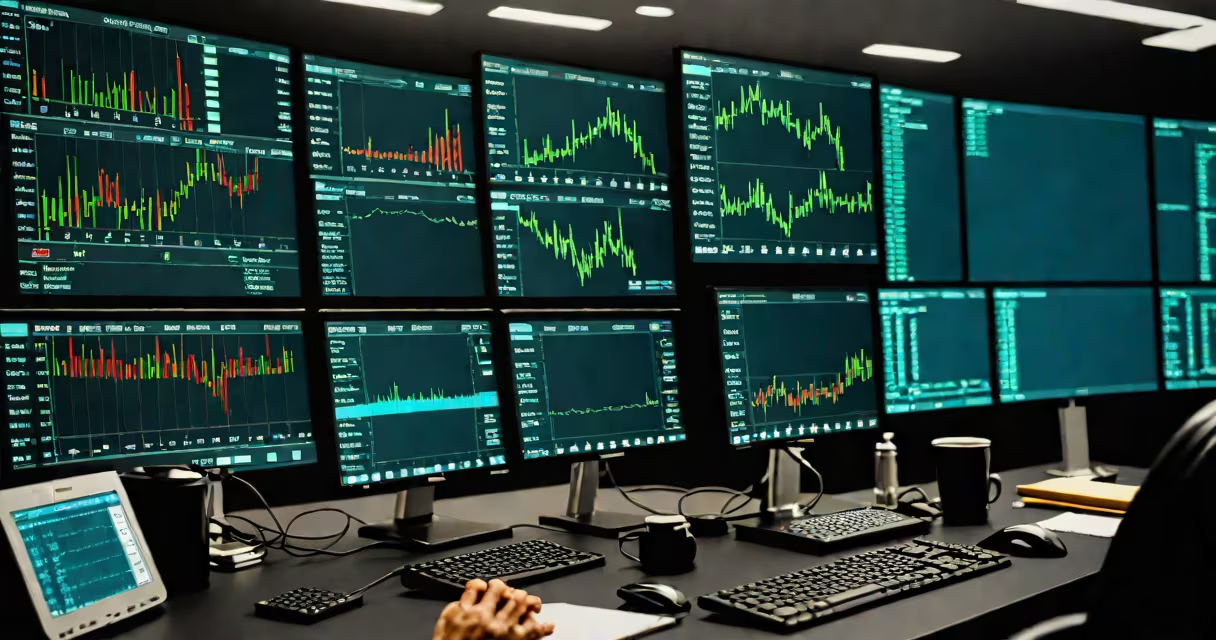
A futures brokers list contains regulated financial firms that execute trades in standardized futures contracts. These intermediaries connect clients to exchanges offering leveraged derivatives on commodities, equities, currencies, and interest rates.
Futures brokers, also called futures commission merchants (FCMs), operate under strict regulations. The U.S. Commodity Futures Trading Commission (CFTC) requires them to register and maintain sufficient capital. Similar oversight exists globally through agencies like the Financial Conduct Authority (FCA) in the UK and the Australian Securities and Investments Commission (ASIC).
These firms act as middlemen between traders and exchanges. When you place an order through a futures broker, they route it to the appropriate exchange for execution. The broker then clears and settles the trade, ensuring proper margin requirements are met.
Most futures brokers offer trading platforms with advanced charting tools, technical indicators, and order management systems. Some provide additional services like research reports, educational materials, and market analysis.
| Type | Description | Typical Clients |
|---|---|---|
| Full-service brokers | Offer extensive research, personalized advice, and premium platforms | Institutional investors, high-net-worth individuals |
| Discount brokers | Lower commissions, fewer frills, self-directed trading | Retail traders, small investors |
| Specialized brokers | Focus on specific markets or products (e.g., micro futures contracts list) | Niche traders looking for particular instruments |
Regulatory compliance is paramount. Verify that the broker holds proper licenses from relevant authorities. Check their financial stability through resources like the CFTC's Background Affiliation Status Information System (BASIS).
Compare commission structures, which typically include per-contract fees and monthly platform charges. Some brokers offer volume discounts or rebates for high-frequency traders. Minimum deposit requirements vary between firms.
Platform functionality differs widely. Test demo accounts to ensure the interface meets your needs. Look for features like one-click trading, advanced order types, and customizable workspaces.
Many traders assume all futures brokers offer the same services. In reality, capabilities vary widely. For example, some specialize in agricultural commodities while others focus on financial instruments.
Another myth is that futures brokers provide investment advice. Most operate as execution-only firms, meaning they don't offer recommendations. A few full-service brokers may provide advisory services, but this isn't standard.
Some believe futures brokers are only for institutional traders. While large firms do dominate this space, many brokers actively serve retail traders with lower minimum requirements and educational resources.
When I first started trading futures, I assumed all brokers were the same. After experiencing platform freezes during volatile markets with one discount broker, I switched to a more solid full-service firm. The difference in execution reliability was noticeable, especially during major economic announcements.
The CFTC maintains a searchable database of registered FCMs at BASIC. Other reputable sources include industry publications like Futures Magazine and Trader's Magazine, which frequently publish rankings and reviews.
Professional trading organizations often provide broker recommendations. The National Futures Association (NFA) offers resources for finding properly licensed firms. Always verify credentials through official regulatory websites before committing funds.