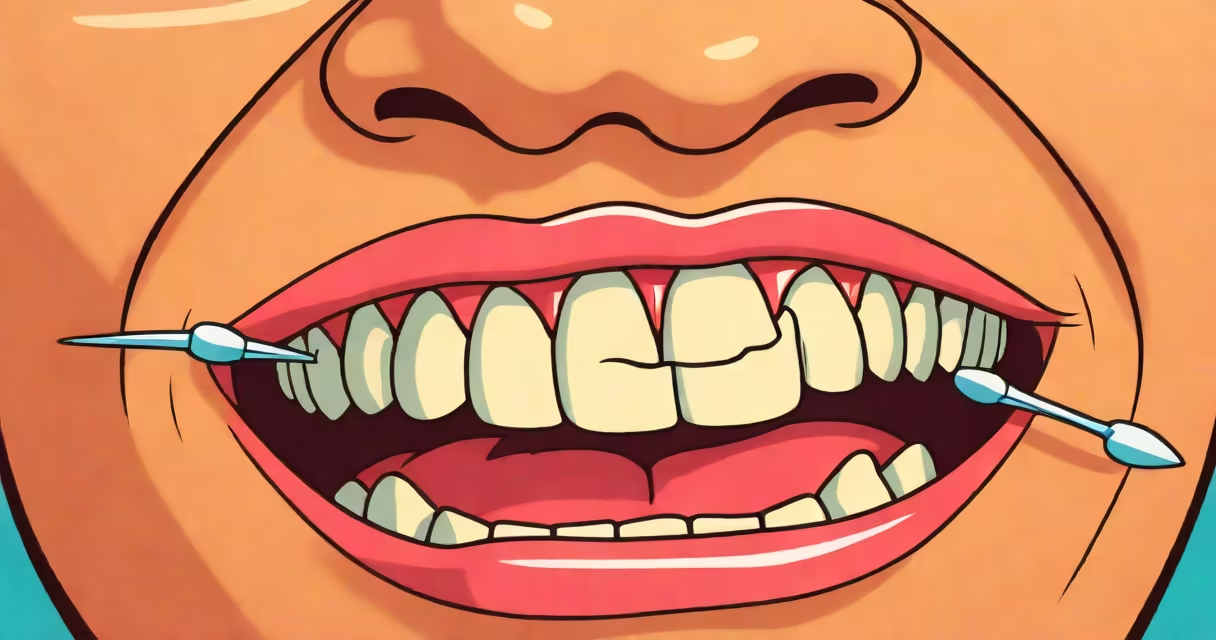
Waking up with sore front teeth often results from nighttime teeth grinding or jaw clenching, both of which strain your teeth and supporting structures. This condition, called bruxism, affects 8-10% of adults. Other causes include misaligned teeth, gum recession, or sinus infections.
Bruxism applies excessive pressure to your teeth, sometimes exceeding 250 pounds per square inch. This force can fracture enamel, inflame gums, and irritate the trigeminal nerve, causing morning pain. Many people grind unconsciously during sleep, making it hard to notice until discomfort arises.
| Cause | Symptoms | Solution |
|---|---|---|
| Teeth grinding (bruxism) | Dull ache, tender gums, headaches | Night guard, stress management |
| Jaw clenching | Stiff jaw, popping sounds, tooth sensitivity | Physical therapy, relaxation techniques |
| Misaligned bite | Uneven wear, pain when chewing | Orthodontic treatment, mouthguards |
| Sinus infection | Pressure near nose, congestion, fever | Decongestants, antibiotics if bacterial |
Consult a dentist if pain persists beyond a few days or worsens. Severe cases may indicate cracked teeth, abscesses, or temporomandibular joint (TMJ) disorders. A dentist can diagnose the issue through exams and X-rays, then recommend treatments like fillings, root canals, or orthodontics.
After months of morning tooth pain, I visited a dentist who diagnosed bruxism. A custom-fitted night guard reduced my discomfort within weeks. The dentist also recommended stress-reduction techniques, as anxiety often triggers grinding. While it took time to adjust to wearing the guard, the relief was immediate.
To reduce the risk of waking up with sore teeth, maintain good oral hygiene, avoid chewing hard objects, and manage stress. Regular dental checkups help detect issues early. If you suspect bruxism, ask your dentist about night guards or other protective options.