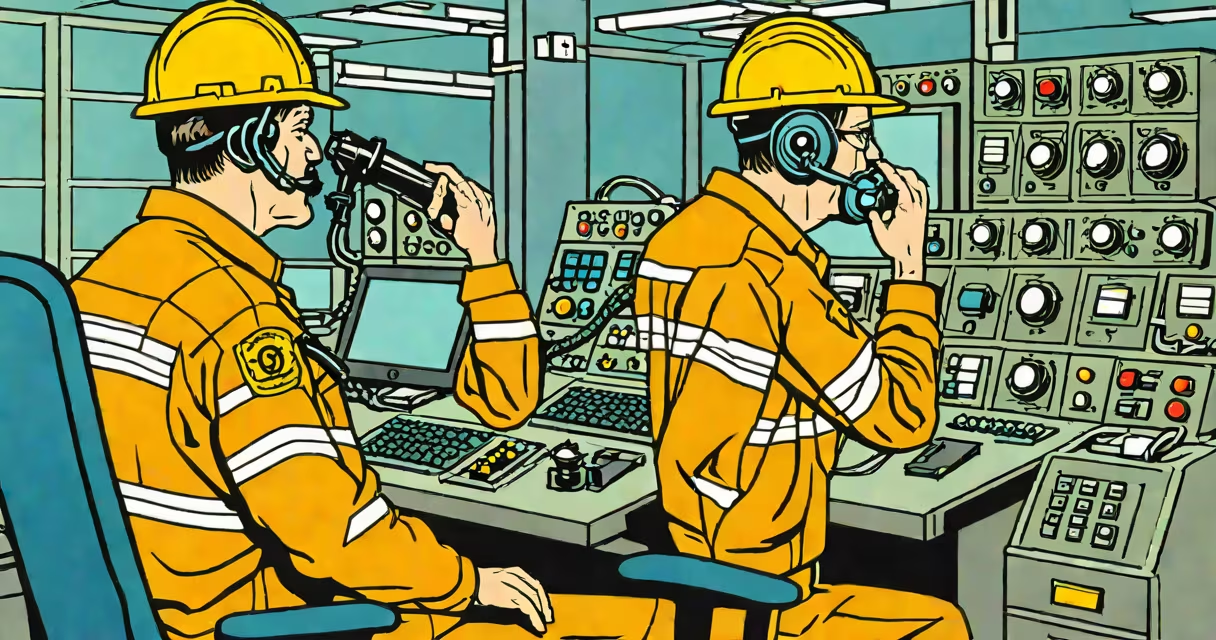
A gas leak call is a phone call to emergency services reporting a suspected or confirmed gas leak in a residential or commercial building. This triggers a rapid response from trained professionals equipped to assess and mitigate dangerous gas situations.
How Gas Leak Calls Work
When you make a gas leak call, the process typically follows these steps:
Initial Contact: You dial emergency services (usually 911 in the U.S.) or your local gas company's emergency number.
Information Gathering: The dispatcher asks about symptoms, location, and any visible signs of a leak.
Response Dispatch: Trained technicians or first responders are sent to investigate.
On-Site Assessment: Professionals use tools like gas detectors to confirm the leak's presence and location.
Mitigation: The leak is contained, and repairs are coordinated if necessary.
Main Types of Gas Leaks
Gas leaks can involve different types of gases, each requiring specific handling:
Gas Type
Common Sources
Key Risks
Natural Gas
Gas stoves, furnaces, pipelines
Explosion, fire, asphyxiation
Propane
Propane tanks, grills, heaters
Explosion, fire, frostbite from vapor
Carbon Monoxide
Faulty appliances, vehicle exhaust
Poisoning, death
When to Make a Gas Leak Call
You should call emergency services if you notice any of the following signs:
Rotten egg smell (additive in natural gas)
Hissing sounds near gas lines
Dead plants or bubbling water near gas pipes
Physical symptoms like dizziness or headaches
Carbon monoxide detector alarms
Even if you're unsure, it's better to err on the side of caution. According to the U.S. Fire Administration, gas leaks contribute to thousands of fires and explosions annually, making prompt reporting critical.
Common Misconceptions
Many people confuse gas leaks with other issues or don't recognize the urgency. Here are some corrections:
Myth: Only large leaks are dangerous. Fact: Even small leaks can lead to deadly consequences over time.
Myth: Opening windows will fix a gas leak. Fact: Ventilation helps but doesn't resolve the underlying issue.
Myth: Gas leaks always have a strong odor. Fact: Some leaks may be odorless, especially with carbon monoxide.
What to Do While Waiting for Help
If you suspect a gas leak, follow these steps while waiting for professionals:
Evacuate the area immediately.
Avoid using lighters, phones, or any potential ignition sources.
Do not turn on or off any electrical switches.
Once safely outside, call emergency services from a safe distance.
Inform neighbors if necessary.
I once had a client who smelled gas in their home. They evacuated, called emergency services, and the responding team found a significant leak in the gas line. Prompt action prevented a potential disaster.