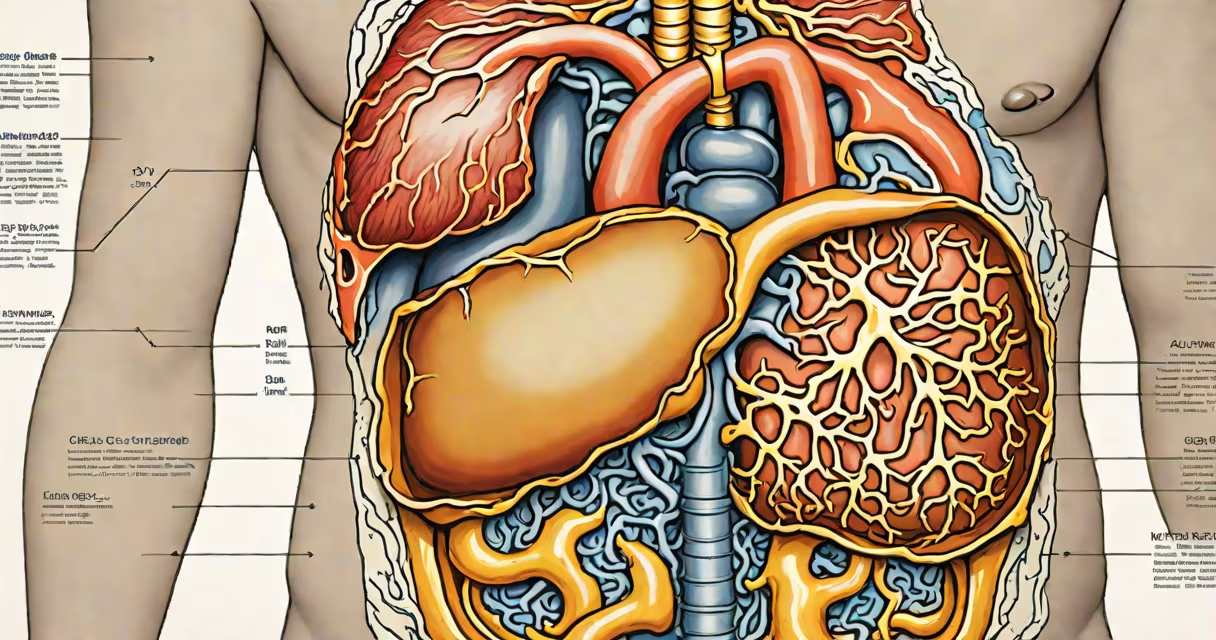
Gas in the upper stomach area occurs when air or gas builds up in the stomach or intestines, causing discomfort, bloating, or pressure. This common issue often results from swallowing air, eating gas-producing foods, or digestive disorders.
How Gas Forms in the Upper Stomach
Gas enters the digestive system through two main pathways: swallowing air (aerophagia) and gas produced during digestion. When you swallow air while eating, drinking, or chewing gum, it travels to the stomach. During digestion, bacteria in the gut break down undigested food, producing gas as a byproduct.
Main Causes of Upper Stomach Gas
The most common causes include:
Swallowed Air: Eating too quickly, talking while eating, or drinking carbonated beverages can introduce excess air into the stomach.
Food Intolerances: Foods high in fiber, such as beans and cruciferous vegetables, or those containing lactose (for lactose-intolerant individuals) can cause gas.
Digestive Disorders: Conditions like gastroesophageal reflux disease (GERD) or irritable bowel syndrome (IBS) may increase gas production.
Smoking: Smoking introduces air into the stomach and can irritate the digestive tract.
Common Symptoms
Symptoms of gas in the upper stomach area include:
Bloating or fullness
Pressure or discomfort in the upper abdomen
Belching or flatulence
Abdominal pain or cramping
While occasional gas is normal, persistent or severe symptoms may indicate an underlying condition requiring medical attention.
Relief and Prevention
To relieve gas in the upper stomach area, try these methods:
Over-the-Counter Medications: Antacids or simethicone can help break up gas bubbles.
Exercise: Gentle movement like walking can help move gas through the digestive system.
If symptoms persist, consult a healthcare provider to rule out conditions like GERD or IBS. For more details on managing stomach gas, see what to do for gas in stomach.
When to See a Doctor
Seek medical advice if gas is accompanied by severe pain, vomiting, diarrhea, or unexplained weight loss. These symptoms could indicate a more serious condition requiring professional evaluation.