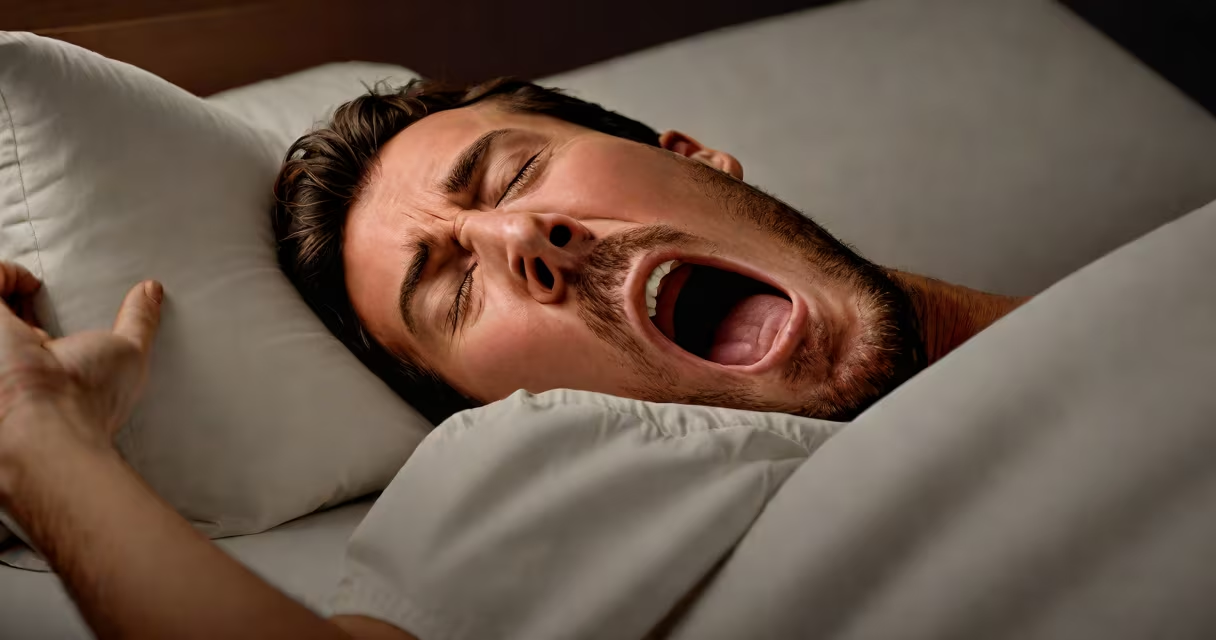
Getting enough sleep but still feeling exhausted may indicate poor sleep quality, underlying health conditions, or lifestyle factors. This persistent fatigue despite adequate hours in bed affects millions.
Sleep duration doesn't always equal sleep quality. Your body may not be getting the restorative rest it needs due to:
I once tracked my sleep patterns using a wearable device and discovered I was waking up 10+ times per night, even though I thought I slept through. The data helped me identify and address the issue.
| Cause | Symptoms | Possible Solutions |
|---|---|---|
| Sleep apnea | Loud snoring, gasping during sleep, daytime sleepiness | See a doctor for evaluation; consider a CPAP machine |
| Chronic fatigue syndrome | Extreme exhaustion lasting more than six months, muscle pain | Work with a healthcare provider for management strategies |
| Poor sleep environment | Difficulty falling asleep, frequent awakenings | Improve room temperature, darkness, and noise levels |
If fatigue persists despite improving sleep habits, consult a healthcare professional. Conditions like anemia, thyroid issues, or depression may contribute to your exhaustion. A doctor can order blood tests or refer you to a sleep specialist.
Focus on creating consistent sleep patterns and optimizing your environment. The National Sleep Foundation recommends:
Many people assume that sleeping longer will cure fatigue. However, the quality of sleep matters more than quantity. According to the American Academy of Sleep Medicine, even people who sleep 8+ hours may suffer from sleep deprivation if their sleep is frequently interrupted.
Another common myth is that fatigue only results from lack of sleep. Chronic illnesses, medications, and mental health conditions can also contribute to persistent tiredness. If lifestyle changes don't help, consult a doctor to rule out underlying conditions.