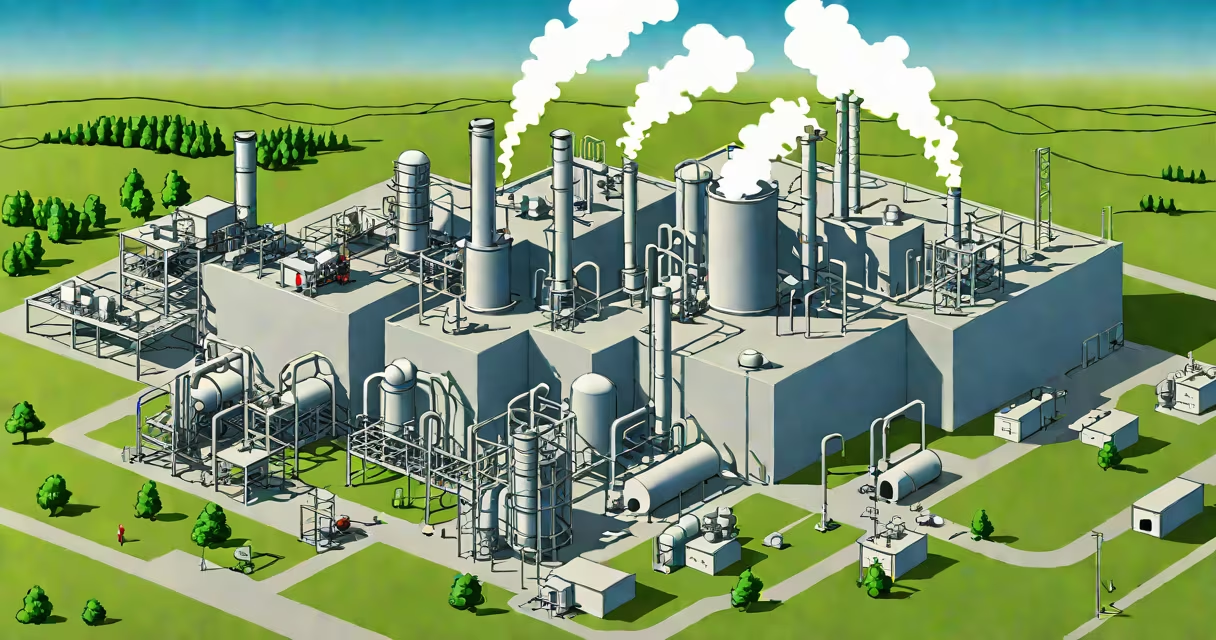
Geothermal energy is electricity or heat generated by tapping into the Earth's natural underground heat. This renewable resource uses steam or hot water from reservoirs beneath the surface to produce power.
The Earth's core maintains temperatures between 4,000°F and 7,000°F (2,200°C and 3,900°C). This heat radiates outward, warming underground reservoirs of water and steam. Wells drilled into these reservoirs bring the hot fluid to the surface, where it turns turbines connected to generators, producing electricity. Some systems use the heat directly for applications like heating buildings or growing plants in greenhouses.
There are three primary types of geothermal power plants:
Geothermal energy is most common in regions with geologically active areas, such as Iceland, the Philippines, and parts of the western United States. These locations have accessible heat sources close to the surface. Geothermal plants provide consistent baseload power, unlike wind or solar, which depend on weather conditions., geothermal energy produces minimal emissions, making it a clean alternative to fossil fuels.
Many people confuse geothermal energy with nuclear energy, assuming both involve radioactive materials. However, geothermal energy relies solely on natural heat from the Earth's core, while nuclear energy involves controlled reactions of radioactive elements like uranium. Another misconception is that geothermal plants require drilling in volcanic areas. While volcanic regions are ideal, geothermal resources exist in many other places, including sedimentary basins.
I once visited a geothermal power plant in California and was surprised by how quiet the facility was compared to traditional power plants. The lack of combustion means no loud machinery or pollution-just steam rising from the ground.
| Feature | Geothermal | Solar | Wind |
|---|---|---|---|
| Consistency | Baseload (always available) | Intermittent (daytime only) | Intermittent (wind-dependent) |
| Emissions | Minimal | None during operation | None during operation |
| Land Use | Small footprint | Large solar farms | Large wind farms |