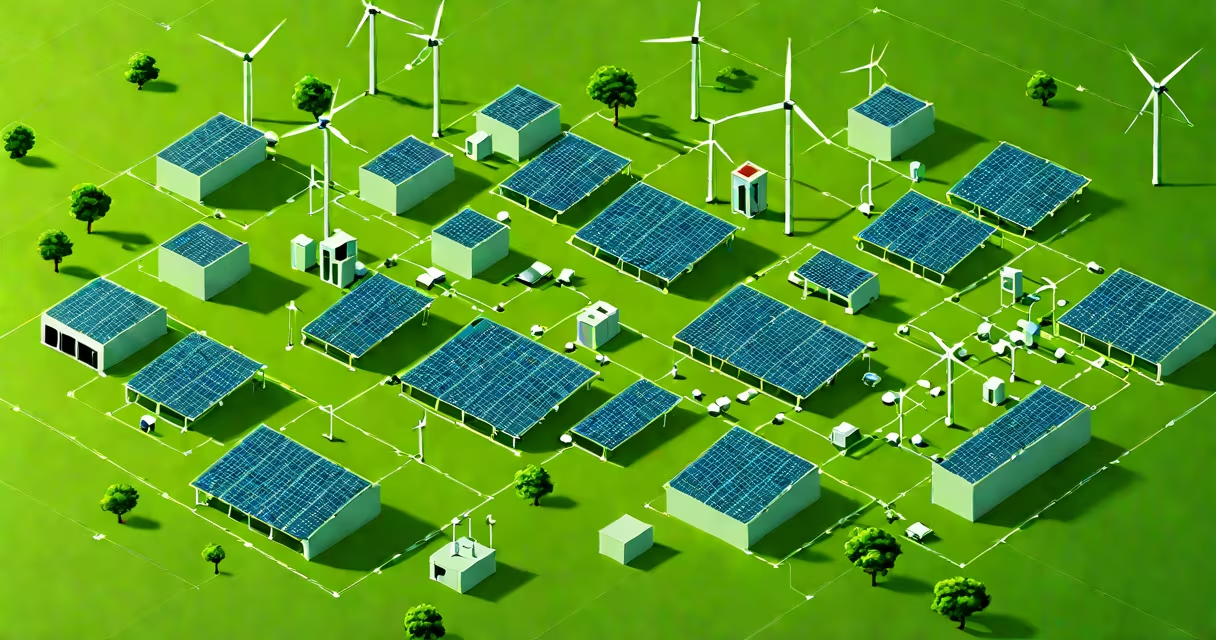
Green cloud computing is an eco-friendly approach to cloud services that minimizes energy consumption and carbon emissions through efficient hardware, renewable energy sources, and optimized software design.
Traditional cloud computing relies heavily on data centers that consume vast amounts of electricity, often from fossil fuels. Green cloud computing addresses this by implementing energy-efficient technologies and practices. For example, modern data centers use advanced cooling systems that reduce energy waste by up to 30%. Some providers, like Google, have committed to matching 100% of their electricity consumption with renewable energy purchases.
Green cloud computing combines several key elements:
Businesses across industries adopt green cloud computing to reduce their environmental footprint while cutting operational costs. For instance, a financial institution might migrate its transaction processing to a green cloud provider to lower energy bills and meet sustainability goals. According to the U.S. Environmental Protection Agency, data centers account for about 2% of U.S. electricity use. Transitioning to green cloud solutions can reduce this impact.
Some believe green cloud computing sacrifices performance for sustainability. However, advancements in technology have debunked this myth. For example, Microsoft's data centers using AI-driven cooling systems operate just as efficiently as traditional ones while reducing energy use by 15%. Another misconception is that green cloud computing is expensive. In reality, long-term cost savings from lower energy bills often outweigh initial setup investments.
Apple's data centers are powered entirely by renewable energy, including solar and wind farms. The company also uses new cooling methods, such as immersion cooling, which submerges servers in a special fluid to dissipate heat more efficiently. These measures have reduced Apple's carbon footprint by millions of metric tons annually.
Understanding green computing principles is essential for making informed decisions. By integrating these practices into cloud operations, businesses can contribute to a greener future while enjoying cost benefits.