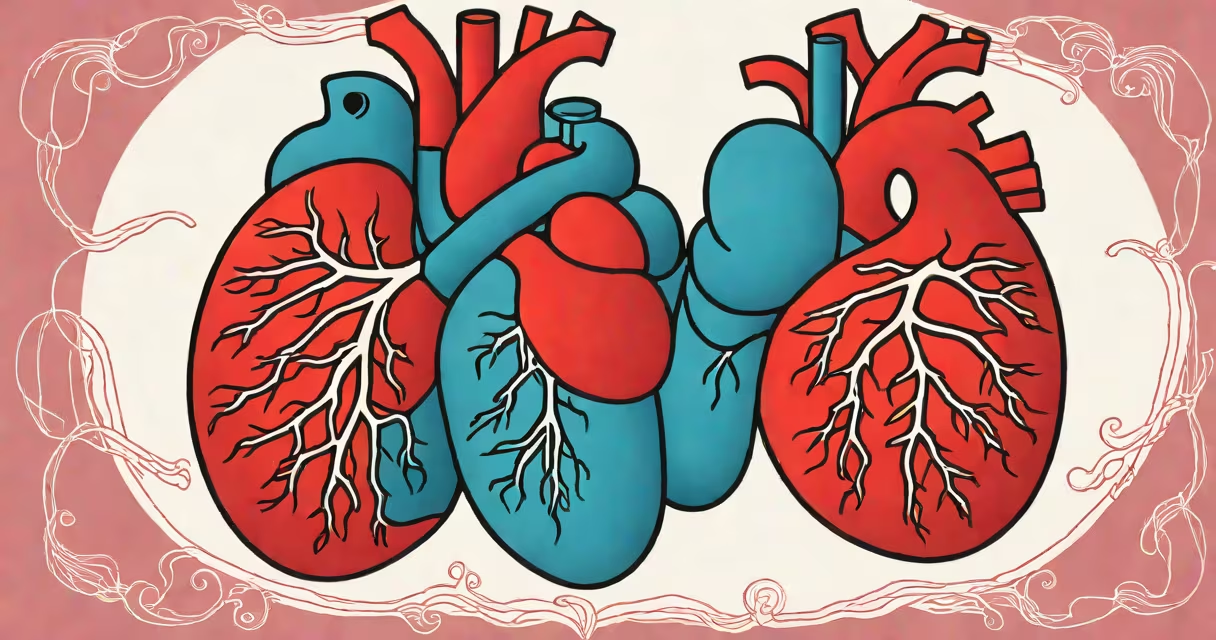
Group 2 pulmonary hypertension (PH) is a type of high blood pressure in the lungs caused by left-sided heart disease. It occurs when the left side of the heart can't pump blood efficiently, increasing pressure in the lungs' blood vessels.
The heart's left side receives oxygen-rich blood from the lungs and pumps it to the body. When the left ventricle or atrium fails, blood backs up into the lungs, raising pressure in the pulmonary arteries. This extra pressure strains the right side of the heart, which must work harder to pump blood through the lungs.
Group 2 PH falls under the World Health Organization's (WHO) classification system for PH. The five groups are:
| Group | Cause |
|---|---|
| 1 | Idiopathic or hereditary |
| 2 | Left-sided heart disease |
| 3 | Lung diseases |
| 4 | Chronic blood clots |
| 5 | Other causes |
Left-sided heart disease, often due to coronary artery disease or heart valve problems, is the primary cause of Group 2 PH. Other contributing factors include high blood pressure, cardiomyopathy, and heart valve disorders.
Group 2 PH symptoms mimic those of heart failure: shortness of breath, fatigue, swelling in the legs or abdomen, and chest pain. Doctors diagnose it using echocardiograms, cardiac catheterization, and blood tests. Early detection is important, as untreated Group 2 PH can lead to severe complications like right-heart failure.
I once observed a patient with undiagnosed Group 2 PH. Their symptoms were initially attributed to asthma, delaying proper treatment. This highlights the importance of thorough cardiac evaluations in patients with unexplained shortness of breath.
Treating the underlying heart condition is the primary focus. Medications like diuretics, ACE inhibitors, and beta-blockers help manage symptoms. In severe cases, surgical interventions such as heart valve repair or transplant may be necessary. Lifestyle changes, including a low-sodium diet and regular exercise, also support heart health.
Unlike other PH groups, Group 2 PH treatments primarily address heart function rather than directly targeting lung blood vessels. This distinction is critical for effective management.
Many confuse Group 2 PH with Group 1, assuming both require similar treatments. However, Group 1 PH (like idiopathic pulmonary arterial hypertension) responds to vasodilators, while Group 2 PH treatments focus on heart function. Another misconception is that Group 2 PH is rare; it's actually the most common type, often overlooked due to its association with heart disease.
For insights into life expectancy and management strategies, explore pulmonary hypertension life expectancy.