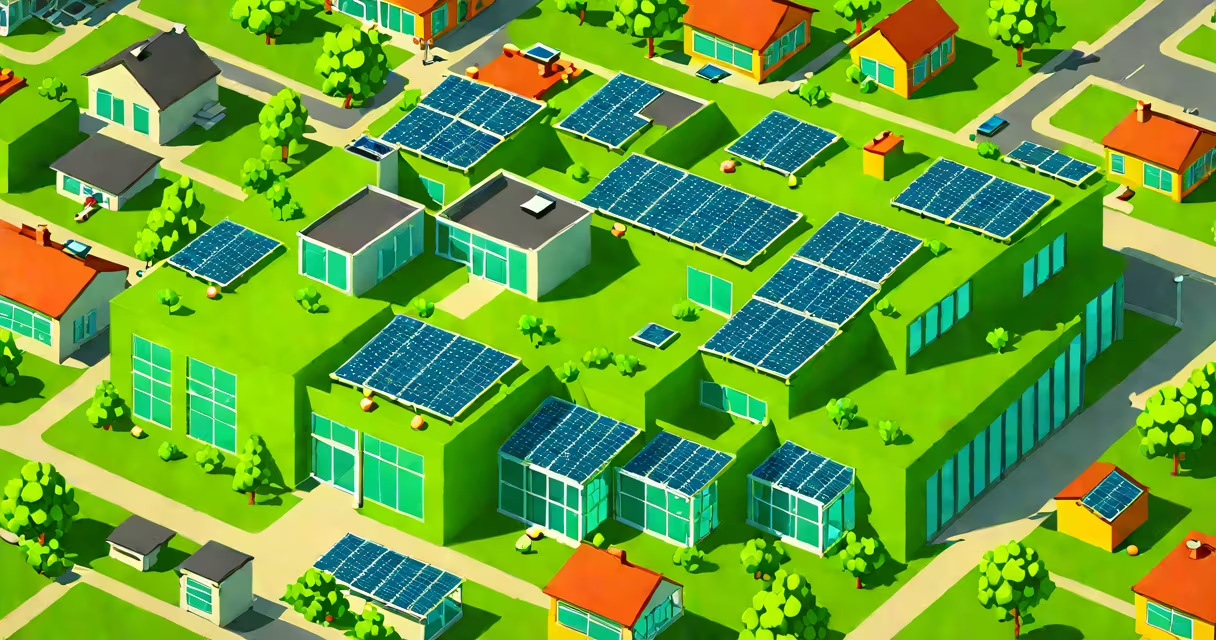
Green construction is an approach to building that prioritizes sustainability, resource efficiency, and reduced environmental impact throughout a project's lifecycle. It integrates eco-friendly materials, energy-efficient designs, and waste-reduction strategies to create healthier, more cost-effective structures.
Green construction minimizes harm to the environment by using renewable resources, reducing pollution, and conserving energy and water. For example, a LEED-certified building in Chicago uses recycled steel, low-VOC paints, and rainwater harvesting to cut its carbon footprint by 30%. The process begins with site selection, continues through material sourcing and construction, and extends to maintenance and eventual decommissioning.
| Type | Key Features | Example |
|---|---|---|
| Energy-Efficient Buildings | Solar panels, high-performance insulation, smart thermostats | Bullitt Center, Seattle |
| Water-Efficient Systems | Rainwater collection, drought-resistant landscaping, low-flow fixtures | Bosco Verticale, Milan |
| Material-Efficient Structures | Recycled steel, bamboo, reclaimed wood | Phipps Conservatory, Pittsburgh |
I once visited a net-zero energy home in Colorado that generated as much power as it consumed. Its solar range, geothermal heating, and passive cooling design proved that green construction isn't just theoretical-it's practical and profitable.