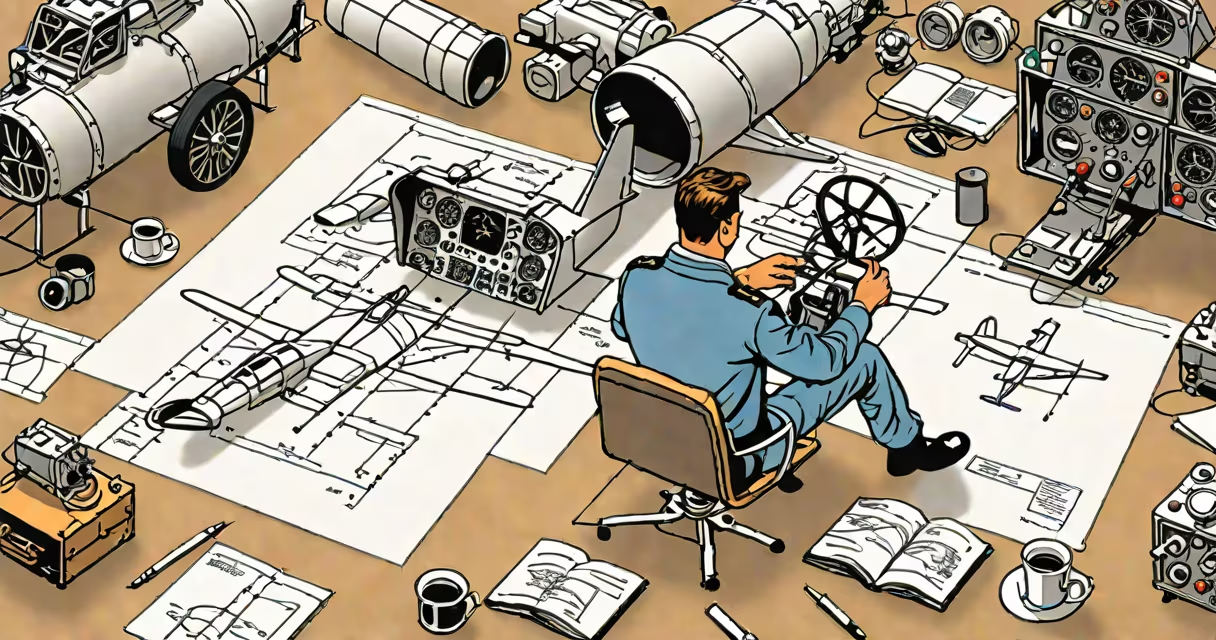
Ground training for pilots is classroom and simulator-based instruction covering flight theory, regulations, and practical skills before in-air practice. It prepares pilots to operate aircraft safely through complete study of aerodynamics, navigation, and emergency procedures.
Pilots begin with foundational knowledge in aerodynamics, aircraft systems, and meteorology. They progress to simulated cockpit environments where they practice pre-flight checks, instrument readings, and emergency protocols. This structured learning ensures pilots understand both the science and practical applications of flying before handling real aircraft.
Ground training includes several key areas:
For example, pilots learn to interpret weather patterns to avoid dangerous conditions like icing or turbulence, which can severely impact flight safety.
Flight schools and aviation academies worldwide incorporate ground training into their curricula. The Federal Aviation Administration (FAA) mandates a minimum of 30 hours of ground training for private pilot certification. This ensures pilots can recognize and respond to potential hazards before they arise during flight.
Many assume ground training is merely theoretical, but it includes hands-on practice with flight simulators and mock cockpits. For instance, pilots train to perform pre-flight checks using actual checklists and diagnostic tools, ensuring they can identify issues like fuel leaks or electrical faults before takeoff.
Another misconception is that ground training is only for beginners. Even experienced pilots undergo recurrent training to stay updated on new regulations and technologies, such as advanced navigation systems or updated emergency procedures.
| Aspect | Ground Training | Flight Training |
|---|---|---|
| Setting | Classroom, simulator | Airplane, helicopter | Focus | Aerodynamics, regulations, theory | Takeoff, landing, maneuvering | Tools | Manuals, charts, simulators | Aircraft controls, instruments |
While flight training focuses on in-air maneuvers, ground training ensures pilots understand the principles behind those actions. For example, pilots learn why adjusting flaps affects lift during landing, allowing them to make informed decisions mid-flight.
Ground training is essential for aviation safety, providing pilots with the knowledge and skills to handle any situation confidently. simply curious about flight, understanding this foundational step is key to appreciating the complexity of piloting.