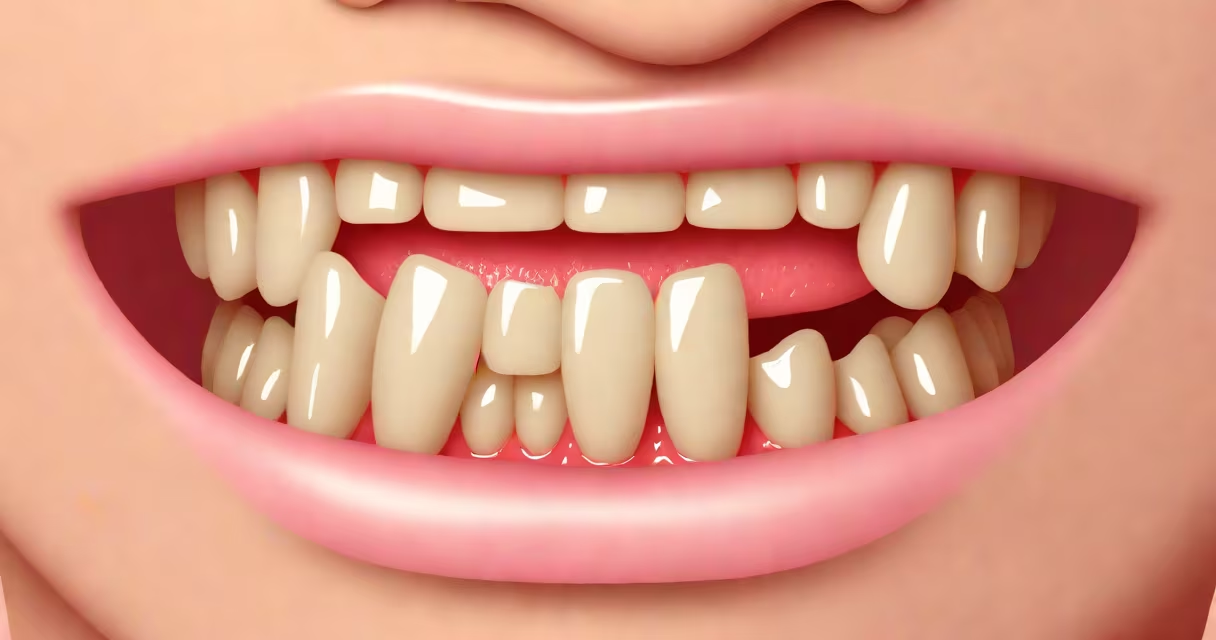
A swollen gum inside your mouth typically indicates inflammation or infection, often caused by irritation, infection, or injury. This condition ranges from mild discomfort to severe pain and may involve redness, tenderness, or pus.
Swelling occurs when fluids build up in affected tissues. In the gums, this usually happens due to increased blood flow from irritation or infection. The body sends white blood cells to fight off bacteria, which can cause the area to swell further.
The most common causes of gum swelling include:
See a dentist if swelling lasts more than a week, worsens, or is accompanied by fever, difficulty swallowing, or severe pain. Persistent swelling may indicate a serious infection requiring professional treatment.
For minor swelling, rinse with warm salt water, apply a cold compress, or use over-the-counter anti-inflammatory medications. Avoid irritants like tobacco and harsh mouthwashes.
Many people assume gum swelling is always due to poor oral hygiene. While plaque buildup is a leading cause, other factors like hormonal changes, certain medications, or systemic diseases (e.g., diabetes) can also contribute.
Another misconception is that home remedies alone can treat severe cases. While saltwater rinses and ice packs help with mild swelling, persistent or severe cases require dental intervention to prevent complications like tooth loss or systemic infections.
Last year, I developed a swollen gum after biting my cheek during a meal. The area became tender and slightly inflamed. I rinsed with salt water and avoided irritating the spot. Within a few days, the swelling subsided. However, if the discomfort had persisted or worsened, I would have seen a dentist immediately.