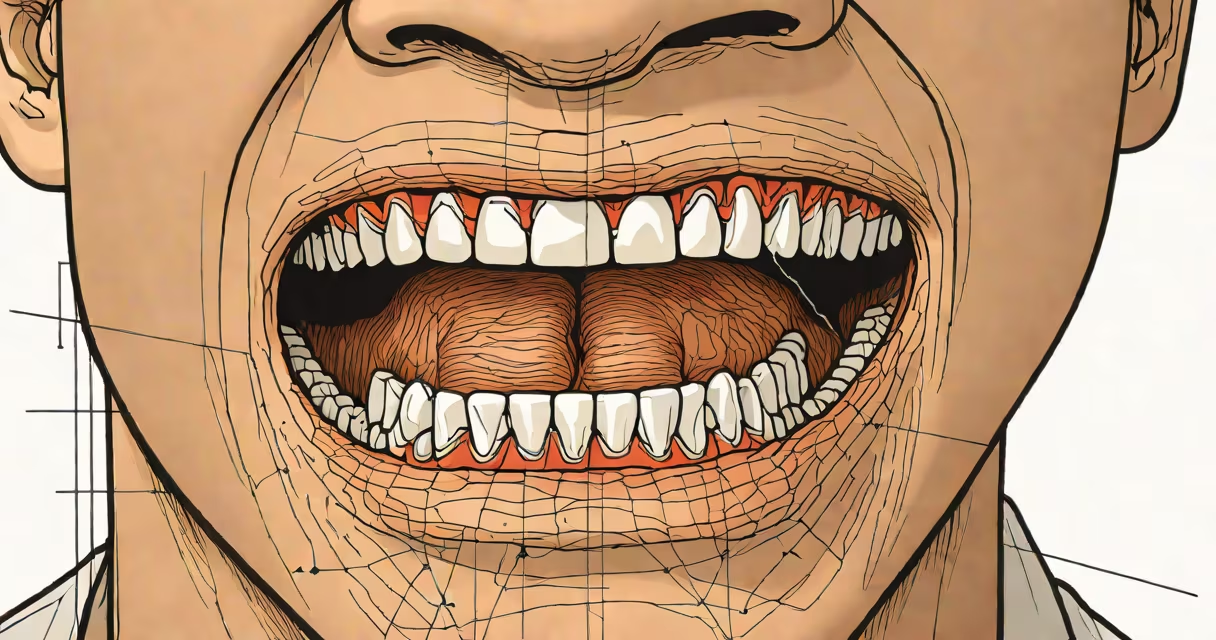
When the gums in the back of your mouth hurt, it's often due to irritation, infection, or injury. This discomfort can range from mild tenderness to sharp pain, especially when eating or brushing.
Why Do Gums in the Back of the Mouth Hurt?
Several factors can cause pain in the back gums, including:
Poor oral hygiene: Food particles and bacteria can build up in hard-to-reach areas, leading to inflammation and infection.
Gum disease: Gingivitis or periodontitis can cause soreness, especially in the molars' area.
Trauma or injury: Aggressive brushing, chewing hard foods, or dental work can irritate the gums.
Dental issues: Cavities, abscesses, or impacted wisdom teeth may also contribute to pain.
How to Treat Sore Gums in the Back of the Mouth
For mild discomfort, try these remedies:
Rinse with salt water: Mix 1 teaspoon of salt in warm water and swish gently for 30 seconds.
Use a soft-bristled toothbrush: Avoid irritating sensitive gums further.
Apply a cold compress: Reduce swelling by holding a cold pack against the outside of your cheek.
Take over-the-counter pain relievers: Ibuprofen or acetaminophen can help manage pain.
If pain persists, see a dentist. Persistent gum pain may indicate a deeper issue like an infection or abscess.
When to See a Dentist
Schedule an appointment if you experience any of the following:
Pain lasting more than a few days
Swelling, bleeding, or pus
Difficulty chewing or swallowing
Fever or general illness
A dentist can identify the root cause and recommend treatment, such as antibiotics, a deep cleaning, or tooth extraction if necessary.
Preventing Gum Pain
Maintain good oral hygiene to avoid future discomfort:
Many people assume gum pain is harmless or will go away on its own. However, ignoring persistent discomfort can lead to serious complications, such as tooth loss or systemic infections. Always consult a professional if pain doesn't improve with home care.
In my experience, paying attention to minor gum pain early prevents more severe issues later. A small adjustment in brushing technique or a quick dental visit can save a lot of trouble down the road.