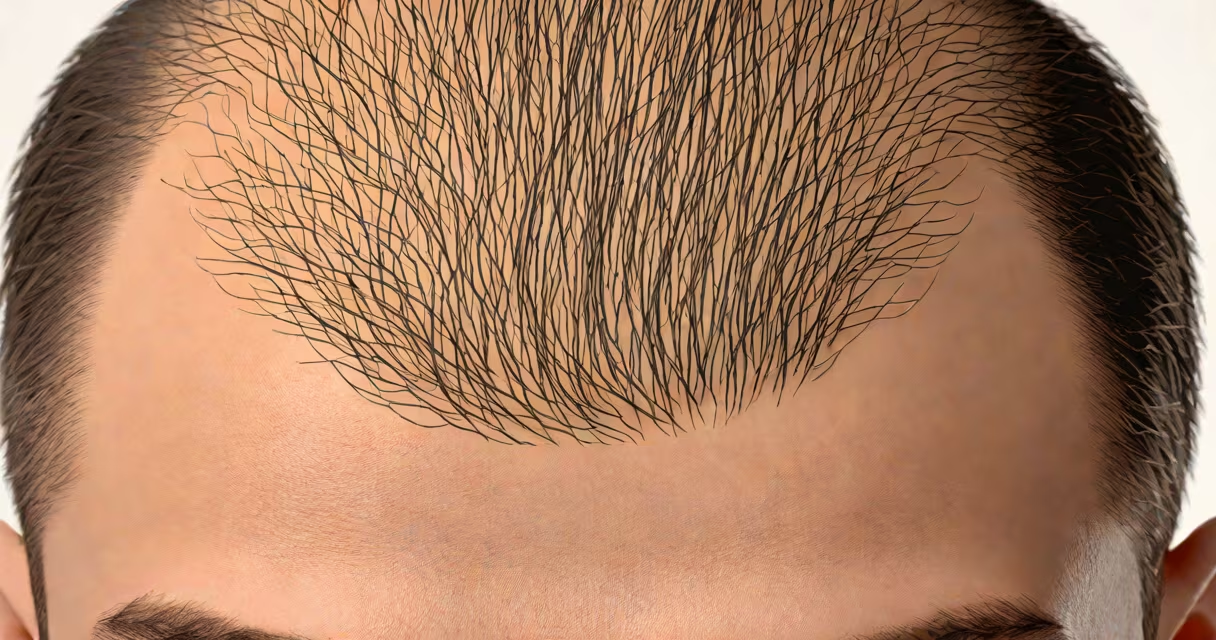
Hair loss at 25 in males typically results from genetic factors, hormonal changes, or health conditions. While often linked to male pattern baldness, other causes like stress, poor nutrition, or medications can contribute.
Male pattern baldness, or androgenetic alopecia, accounts for 95% of cases. It occurs when hair follicles shrink due to sensitivity to dihydrotestosterone (DHT), a hormone derived from testosterone. Over time, affected follicles produce thinner, shorter hairs until they stop growing altogether.
Unlike gradual thinning in older men, hair loss at 25 may appear suddenly. Stress, illness, or rapid weight loss can trigger telogen effluvium, pushing hair follicles into a resting phase prematurely. Recovery usually takes 6-12 months, but persistent shedding may indicate an underlying issue.
| Type | Cause | Reversible? |
|---|---|---|
| Androgenetic alopecia | Genetics + DHT sensitivity | No (but treatable) |
| Telogen effluvium | Stress, illness, medication | Yes (with time) |
| Alopecia areata | Autoimmune attack | Sometimes |
Many assume hair loss at 25 is inevitable for men with bald fathers. However, only 16% of sons with bald dads experience hair loss before 35, according to a 2018 study in the Journal of Investigative Dermatology. Other myths include:
FDA-approved treatments include minoxidil (Rogaine) and finasteride (Propecia). Minoxidil, applied topically, extends the hair growth phase. Finasteride, taken orally, blocks DHT production. Both require consistent use for 6-12 months to show results.
I noticed my hairline receding at 24. After consulting a dermatologist, I started finasteride and adjusted my diet. Six months later, shedding slowed, and new growth appeared along my temples.
Consult a healthcare provider if hair loss at 25:
Early diagnosis helps rule out reversible causes and start appropriate treatments. For genetic hair loss, interventions work best before significant thinning occurs.
While genetics play a major role, lifestyle choices can support hair health:
Regular scalp massages may improve blood flow to follicles, though research on their effectiveness remains limited.