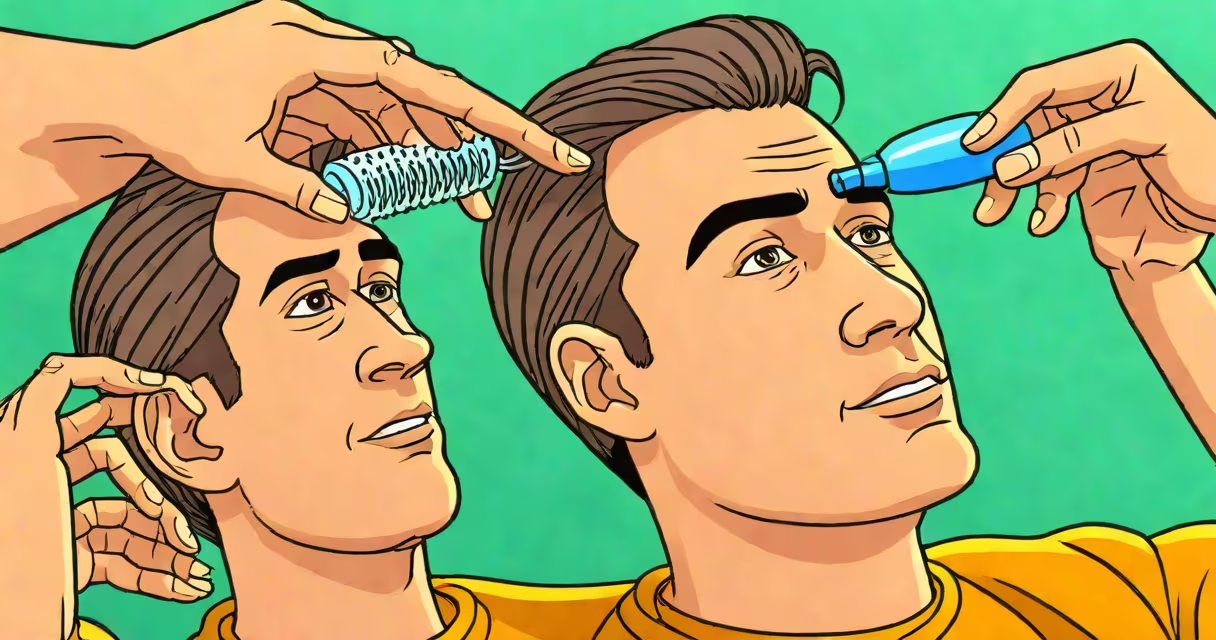
Hair fall treatment for men addresses male pattern baldness and other causes of hair loss through medications, therapies, and lifestyle changes.
Most hair fall treatments for men target dihydrotestosterone (DHT), a hormone that shrinks hair follicles. By blocking DHT or stimulating follicle activity, these treatments slow hair loss and promote regrowth.
For example, minoxidil (Rogaine) increases blood flow to hair follicles, extending their growth phase. Finasteride (Propecia) reduces DHT production, preventing further hair loss in 88% of men (American Academy of Dermatology).
| Treatment Type | How It Works | Effectiveness |
|---|---|---|
| Topical Solutions | Applied directly to the scalp | Slows hair loss, promotes regrowth |
| Oral Medications | Taken daily to reduce DHT | Prevents further hair loss |
| Therapies | Low-level laser therapy stimulates follicles | Improves hair density |
| Surgical Options | Transplants healthy follicles | Permanent results |
Male hair loss often stems from genetics, hormones, or lifestyle factors. The most common cause is androgenetic alopecia, affecting about 50 million men in the U.S. (American Hair Loss Association).
Other causes include stress, poor nutrition, and underlying medical conditions. Identifying the root cause is important for effective treatment.
Some men prefer natural remedies like saw palmetto or pumpkin seed oil, which may help reduce hair loss. However, scientific evidence supporting their effectiveness is limited compared to FDA-approved treatments.
If hair loss is sudden, patchy, or accompanied by other symptoms, it may indicate an underlying condition requiring medical attention. A dermatologist can diagnose the cause and recommend appropriate treatments.
After noticing increased hair shedding, I consulted a dermatologist who diagnosed androgenetic alopecia. Combining minoxidil and finasteride slowed my hair loss within three months. Regular exercise and a balanced diet also improved my hair health.