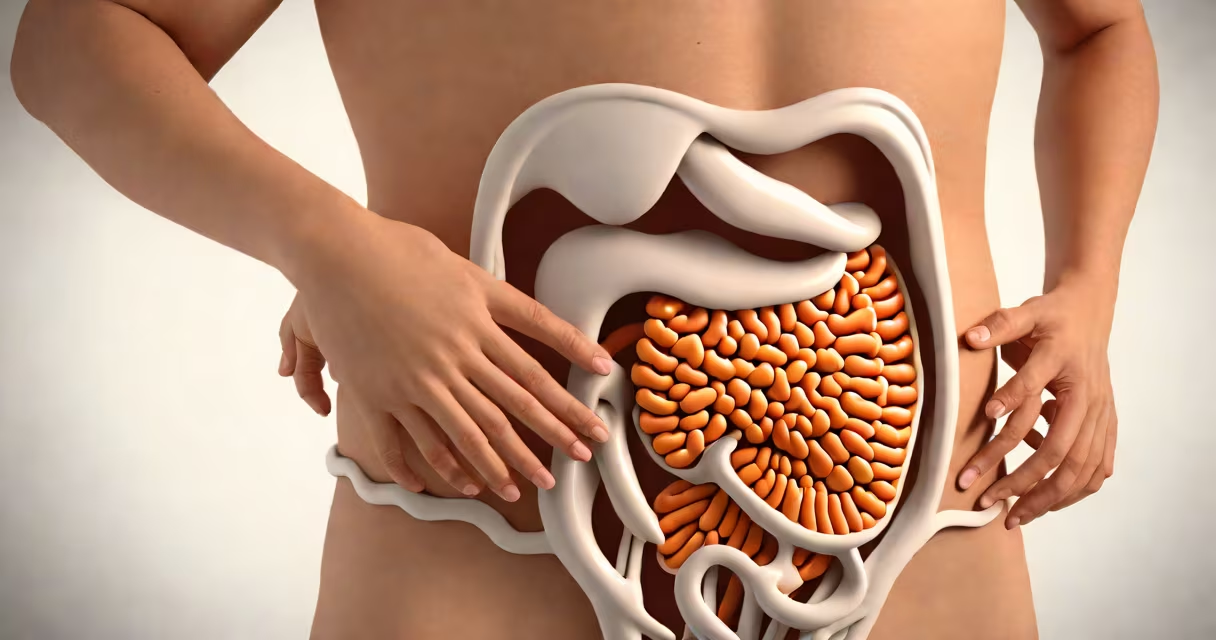
Having a bowel movement immediately after eating is called postprandial defecation, triggered by the gastrocolic reflex-a normal response where food stretching the stomach signals the colon to contract. This process typically occurs within 30 minutes of eating.
The gastrocolic reflex is an involuntary response that helps clear the colon of waste as new food enters the stomach. When you eat, your stomach stretches, sending signals to the colon via the vagus nerve. The colon then contracts, pushing stool toward the rectum and prompting a bowel movement.
Postprandial defecation varies in intensity and frequency. Some people experience it occasionally, while others have it consistently after meals. Common triggers include:
While occasional postprandial defecation is normal, frequent or urgent bowel movements may indicate an underlying issue. Consult a doctor if you experience:
Conditions like irritable bowel syndrome (IBS), inflammatory bowel disease (IBD), or food intolerances may cause these symptoms.
Many assume postprandial defecation is always abnormal. However, research shows it's a natural part of digestion for many people. A study published in the Journal of Neurogastroenterology and Motility found that about 60% of healthy individuals experience bowel movements shortly after eating.
Another misconception is that it only happens with certain foods. While high-fiber or spicy foods are common triggers, even small meals can activate the gastrocolic reflex in sensitive individuals.
I noticed this pattern in my own digestion after switching to a high-fiber diet. Within weeks, I consistently had bowel movements about 20-30 minutes after meals. Tracking my food intake helped me identify which foods triggered the reflex most strongly.
Having a bowel movement immediately after eating is usually harmless and linked to the gastrocolic reflex. However, if it becomes painful or frequent, consulting a healthcare provider is wise. Understanding your body's responses can help manage digestion effectively.