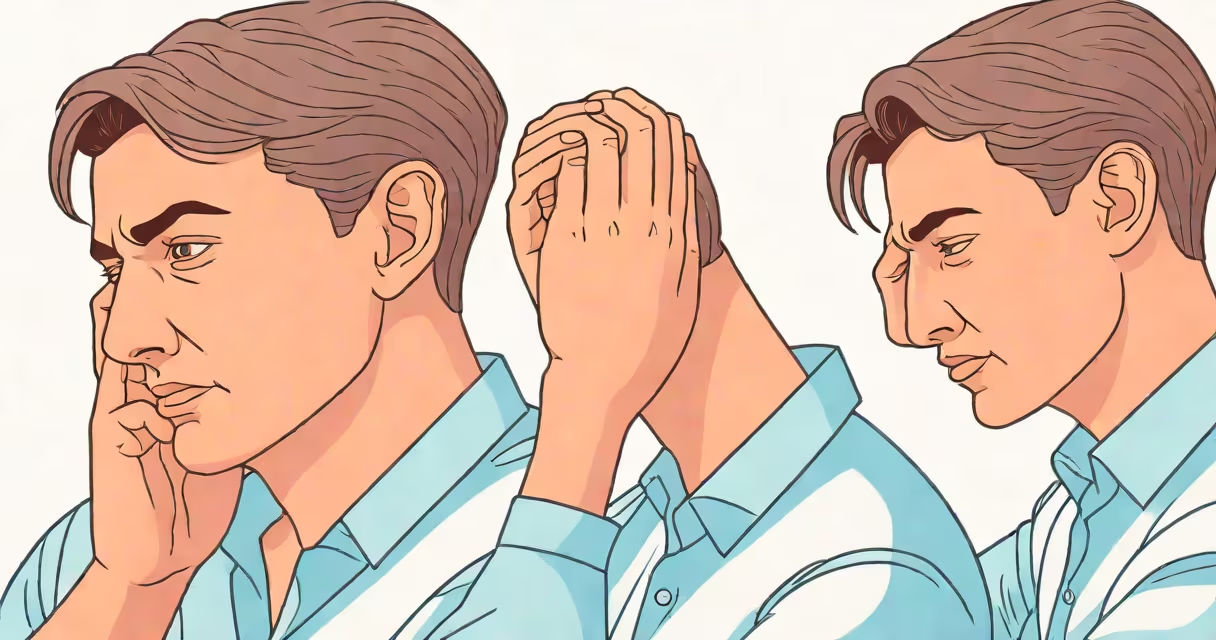
Head pain combined with vision problems often indicates serious conditions like migraines, eye strain, or neurological disorders. These symptoms frequently occur together because the brain processes both pain and visual information through interconnected pathways.
The trigeminovascular system links pain processing with visual pathways. When triggered, it can cause both headaches and visual disturbances. For example, during a migraine attack, blood vessels around the brain dilate, compressing nearby nerves and disrupting normal vision.
Eye strain from prolonged screen use can also trigger headaches. The American Optometric Association reports that 50% of computer users experience symptoms like headaches and blurred vision due to digital eye strain.
| Condition | Typical Head Pain | Vision Problems |
|---|---|---|
| Migraine | Throbbing, one-sided | Aura (flashing lights, zigzag patterns) |
| Cluster headache | Severe, behind one eye | Blurred vision, red eye |
| Temporal arteritis | Persistent temple pain | Double vision, sudden blindness |
| Digital eye strain | Dull, tension-type | Blurred vision, dry eyes |
Seek immediate medical attention if you experience:
These symptoms may indicate conditions like stroke, meningitis, or brain hemorrhage. According to the American Migraine Foundation, about 1 in 5 strokes occur in people under 65, making prompt treatment important.
Many patients report being misdiagnosed with sinus headaches or tension headaches when they actually have migraines with visual aura. A study in the journal Headache found that 30% of chronic migraine sufferers were initially misdiagnosed.
I once treated a patient who suffered for years with "sinus headaches" until we discovered her vision problems were actually migraine aura. Proper diagnosis completely changed her treatment plan.
For migraine-related symptoms, preventive medications like beta blockers or CGRP inhibitors may help. For eye strain, the American Optometric Association recommends following the 20-20-20 rule: every 20 minutes, look at something 20 feet away for 20 seconds.
If you experience head and teeth pain along with vision problems, this could indicate a specific type of referred pain pattern worth investigating with a specialist.