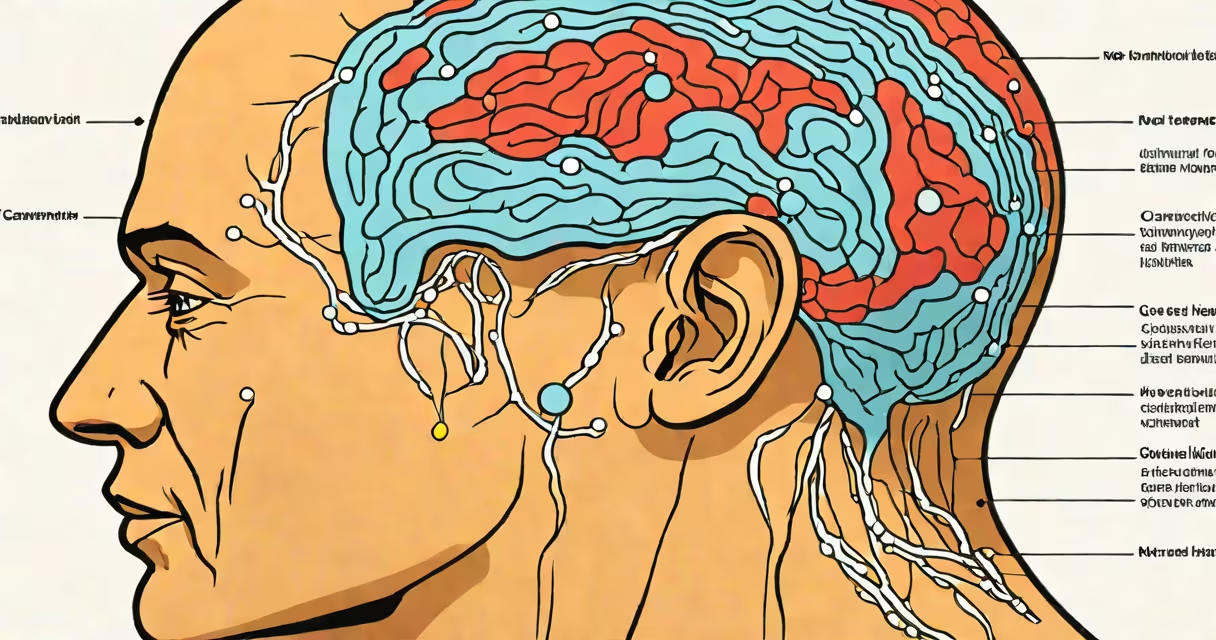
A headache in the back side of head typically originates from the occipital region, often caused by muscle tension, poor posture, or nerve irritation. This type of headache may feel dull, throbbing, or sharp and can radiate to other areas.
The occipital region at the back of the skull contains major nerves and muscles connected to the neck. When these muscles tighten or become strained, they can compress nearby nerves, leading to pain. Poor posture, stress, or prolonged screen time often triggers this discomfort.
This type of headache generally falls into two categories:
Several factors contribute to headaches in the back of the head:
| Cause | Description |
|---|---|
| Muscle tension | Stress or poor posture strains neck muscles, causing pain that radiates upward. |
| Poor sleep position | Sleeping with an awkward neck position can lead to stiffness and pain. |
| Dehydration | Lack of water intake can trigger headaches, including those in the occipital region. |
| Cervicogenic headache | A headache originating from the neck due to injury or arthritis. |
Symptoms vary but often include:
To alleviate a headache in the back side of head, try these methods:
First, apply heat or ice packs to the painful area for 15 minutes. Gentle neck stretches, such as slowly tilting your head toward each shoulder, can relieve tension. Over-the-counter pain relievers like ibuprofen or acetaminophen may also help. For chronic issues, consulting a physical therapist or chiropractor can address underlying posture problems.
I once experienced this type of headache after long hours at my desk. Adjusting my chair height and taking regular breaks to stretch my neck reduced the frequency of these headaches.
Consult a doctor if headaches persist for days, worsen suddenly, or come with symptoms like blurred vision, slurred speech, or weakness in limbs. These could indicate serious conditions like meningitis or a stroke.