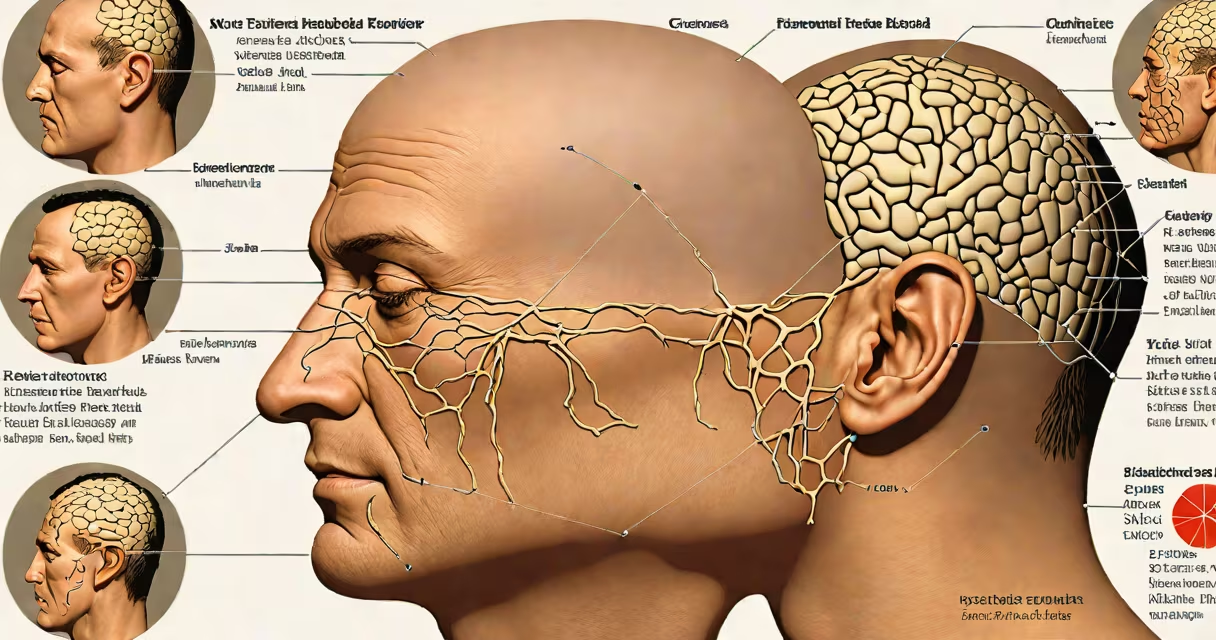
A headache localized to the forehead above the right eye typically results from tension, eye strain, or migraine activity. This specific location often correlates with underlying causes ranging.
The forehead contains numerous nerve endings connected to the trigeminal nerve, which also serves the eyes. When these nerves become irritated or inflamed, they send pain signals to the brain, creating localized headaches. The right side often feels more pronounced due to asymmetrical muscle tension or sinus pressure.
Most headaches in this area fall into four categories:
| Type | Common Causes | Duration |
|---|---|---|
| Tension Headache | Stress, poor posture, eye strain | 30 minutes to several hours |
| Migraine | Genetics, hormonal changes, triggers like certain foods | 4-72 hours |
| Cluster Headache | Unknown, but linked to abnormal hypothalamus function | 15 minutes to 3 hours (recurrent over weeks) |
| Sinus Headache | Allergies, infections, structural issues | Days to weeks |
Most people experience tension headaches, which feel like a tight band around the head. Migraines often include throbbing pain, nausea, and sensitivity to light. Cluster headaches cause intense, stabbing pain behind one eye. Sinus headaches worsen with bending forward and often accompany nasal congestion.
Consult a doctor if the headache persists beyond a few days, worsens suddenly, or occurs with fever, vision changes, or confusion. These symptoms may indicate serious conditions like meningitis or a brain aneurysm. A headache behind the right eye combined with vision problems requires immediate attention.
Many people assume all forehead headaches stem from stress or lack of sleep. While these factors contribute, other causes include:
I once treated a recurring headache by adjusting my monitor height and using artificial tears. The relief was immediate, confirming eye strain as the cause.
For tension headaches, rest, hydration, and over-the-counter pain relievers often help. Migraines may require prescription medications or avoiding known triggers. Sinus headaches improve with decongestants or allergy treatments. Cluster headaches respond best to oxygen therapy or specific medications.
If headaches persist, doctors may recommend imaging tests or referrals to specialists like neurologists or ophthalmologists. Understanding the root cause is key to effective treatment.