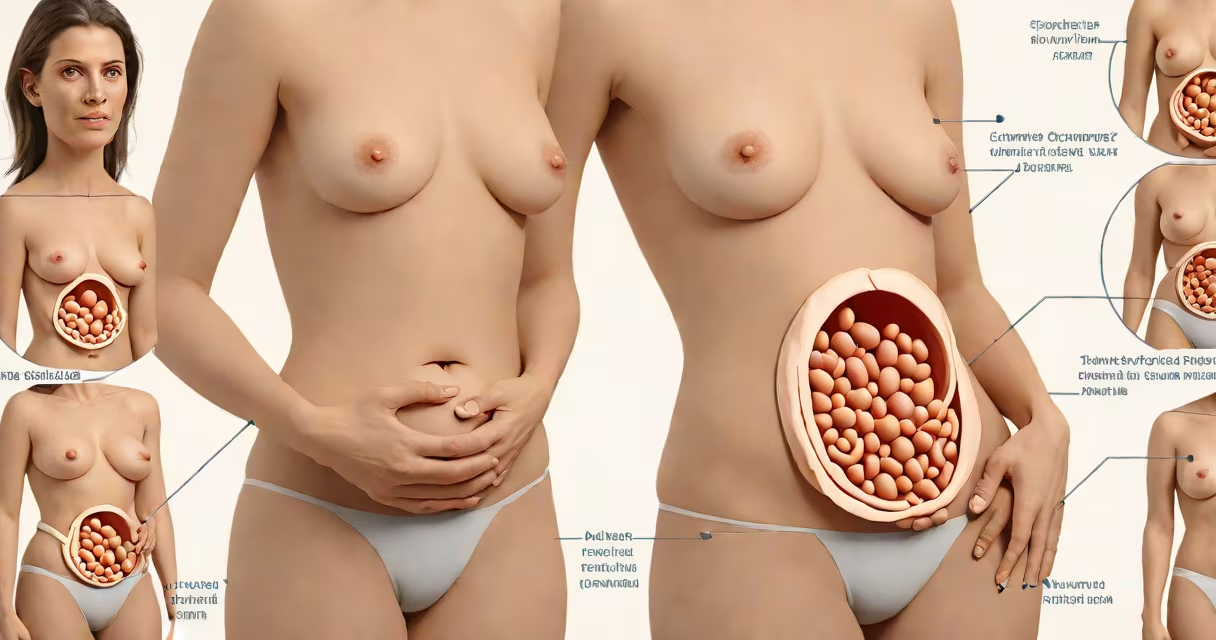
A hernia occurs when internal tissue pushes through a weak spot in muscle or connective tissue, causing pain and visible swelling. Women often experience hernias differently than men, with symptoms that may include pelvic pressure, bloating, or discomfort during physical activity.
Hernias form when increased pressure inside the abdomen forces organs or tissues through weak areas in the abdominal wall. This can happen due to pregnancy, chronic coughing, obesity, or heavy lifting. Women are more likely to develop hernias in the upper thigh or near the belly button (umbilical hernia) compared to men, who frequently experience inguinal hernias in the groin.
The most common types of hernias in women include:
Women with hernias may notice:
Unlike men, women may confuse these symptoms with menstrual cramps, ovarian cysts, or even symptoms of covid in women or other infections. A femoral hernia, for example, may appear as a small lump near the inner thigh and can be mistaken for a swollen lymph node.
Seek medical attention if:
A doctor can diagnose a hernia through a physical exam or imaging tests like ultrasound or MRI. Treatment options range from lifestyle changes to surgery, depending on severity.
Women's anatomy, particularly the wider pelvic structure and differences in abdominal wall strength, makes them more prone to certain types of hernias. For instance, femoral hernias are more common in women because the femoral canal (a passage in the groin) is naturally larger, allowing tissues to protrude more easily.
Pregnancy also increases the risk of hernias due to weakened abdominal muscles and increased intra-abdominal pressure. Even after childbirth, the risk remains elevated if the muscles do not fully recover.
I once worked with a woman who dismissed her persistent groin pain as muscle strain until she noticed a small bulge. After a visit to her doctor, she was diagnosed with a femoral hernia and underwent surgery to prevent complications. Her case highlights how easily hernia symptoms can be overlooked.
To reduce the risk of hernias:
If a hernia is diagnosed early, lifestyle adjustments may help manage symptoms. However, surgery is often recommended for larger or painful hernias to prevent complications like obstruction or strangulation.
Hernia symptoms in women can be subtle and easily mistaken for other conditions. Recognizing the signs-such as swelling, pain, or pelvic pressure-and seeking medical advice early can prevent serious complications. Understanding the differences between men's and women's hernia risks helps ensure proper diagnosis and treatment.