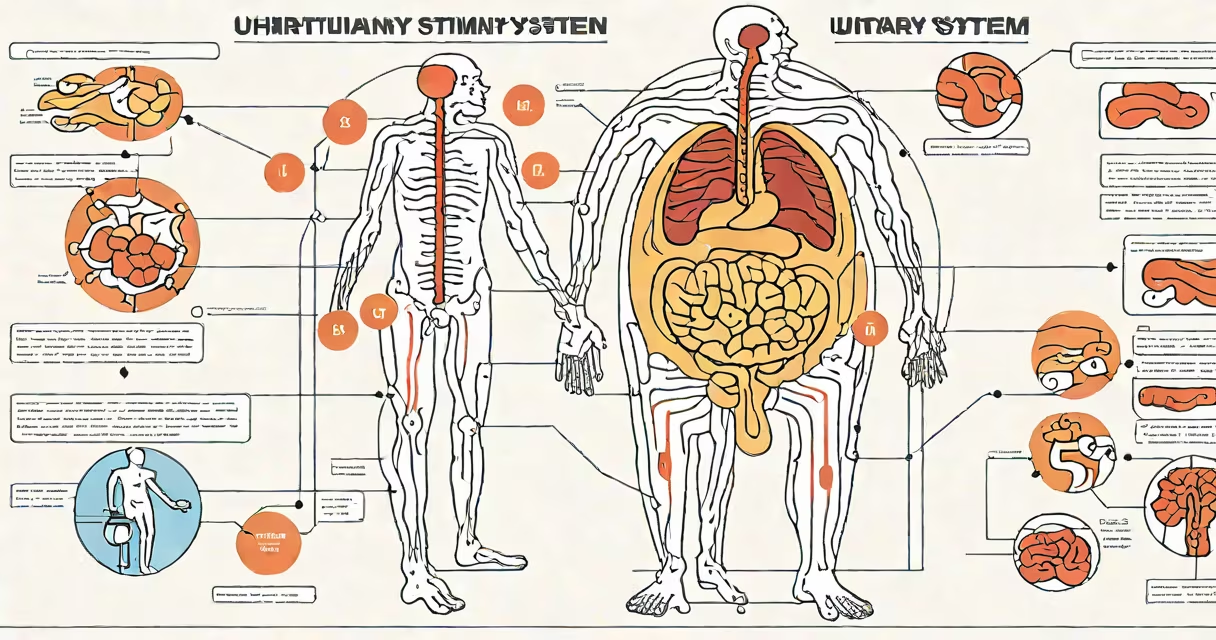
Hesitancy of micturition is a urinary symptom where a person has difficulty starting urination despite feeling the need to go. It often indicates an underlying issue affecting the bladder or urethra.
The process of urination involves signals between the brain and the bladder. When the bladder is full, it sends signals to the brain, prompting the urge to urinate. The brain then signals the bladder muscles to contract, pushing urine out through the urethra. Hesitancy occurs when this process is disrupted, making it hard to start the flow.
Hesitancy can result from various conditions:
Many people confuse hesitancy with other urinary issues like frequency or urgency. Hesitancy specifically refers to the difficulty initiating urination, not the need to urinate more often or suddenly.
If hesitancy persists for more than a few days or is accompanied by other symptoms like pain, blood in urine, or inability to urinate at all, medical attention is necessary. A healthcare provider can diagnose the underlying cause through physical exams, urine tests, or imaging studies.
For example, a 65-year-old man might notice hesitancy while trying to urinate and initially dismiss it as a normal part of aging. However, if the symptom worsens or is paired with other signs, consulting a doctor could reveal an enlarged prostate requiring treatment.
Treatment options vary depending on the cause. For prostate issues, medications like alpha-blockers can help relax the prostate muscles. Lifestyle changes, such as staying hydrated and practicing timed voiding, may also alleviate symptoms.
Understanding hesitancy of micturition is important for identifying potential health issues early. If you experience persistent difficulties, seeking medical advice ensures proper diagnosis and treatment.