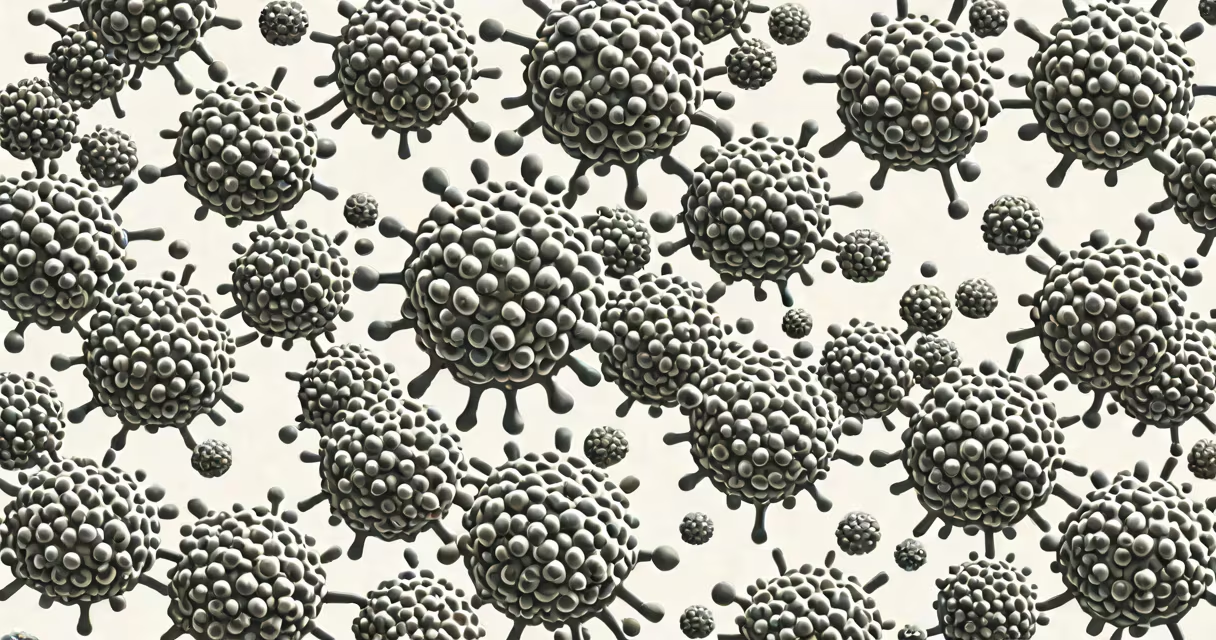
High EBV nuclear antigen refers to elevated levels of viral proteins produced by the Epstein-Barr virus (EBV) that accumulate in the nucleus of infected cells. These antigens play a key role in diagnosing EBV-related illnesses.
EBV infects B cells in the human immune system. Once inside, the virus replicates its DNA and produces viral proteins, including nuclear antigens. These antigens interfere with normal cell functions, promoting viral replication and persistence. The immune system detects these foreign proteins, triggering an immune response.
The primary EBV nuclear antigens are EBNA-1, EBNA-2, EBNA-3A, EBNA-3B, EBNA-3C, and EBNA-LP. Each has distinct functions:
High EBV nuclear antigen levels are detected through blood tests, often using techniques like immunofluorescence or ELISA. These tests help diagnose EBV infections, including mononucleosis and certain cancers linked to EBV, such as Burkitt lymphoma and nasopharyngeal carcinoma. Monitoring antigen levels also tracks disease progression and treatment effectiveness.
Many confuse high EBV nuclear antigen with other viral markers, such as viral capsid antigen (VCA). While both indicate EBV infection, nuclear antigens are primarily associated with latent infection, whereas VCA appears during active infection., not all EBV-positive individuals develop high antigen levels; some remain asymptomatic carriers.
For instance, a study published in the Journal of Clinical Virology found that while 95% of adults carry EBV, only about 15% show detectable nuclear antigen levels at any given time. This highlights the importance of proper testing and interpretation.
When I worked in a clinical lab, we encountered a patient with persistent fatigue and swollen lymph nodes. Initial VCA tests were negative, but further analysis revealed high EBNA-1 levels, confirming a latent EBV infection. This case underscored the necessity of complete EBV testing beyond just VCA.