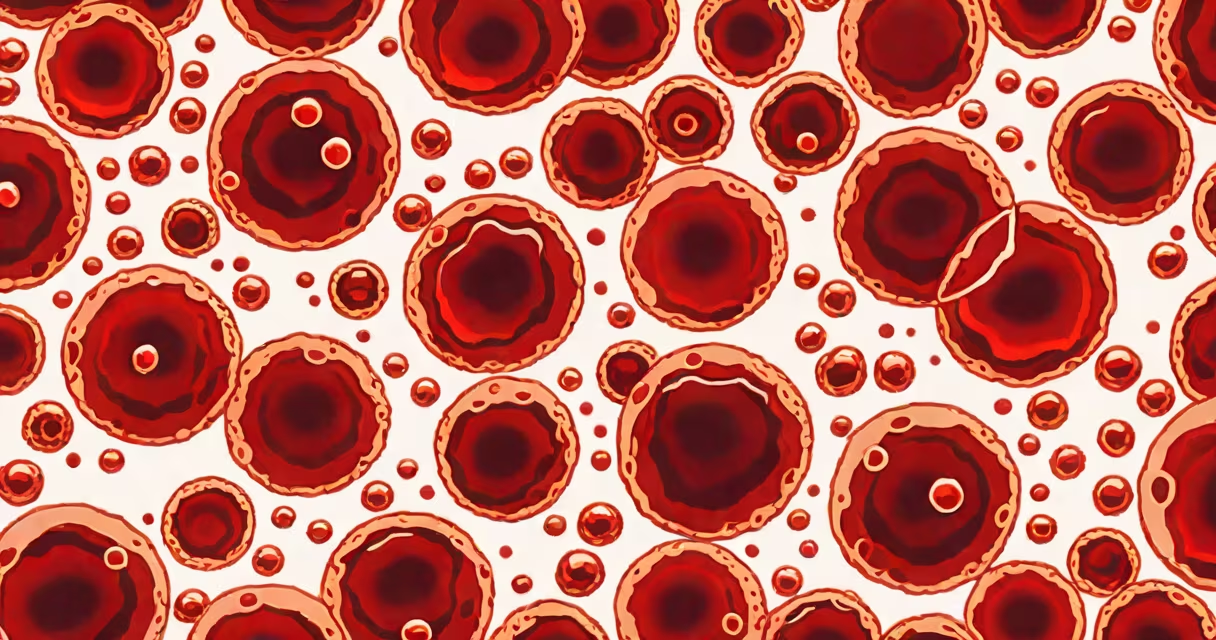
High red blood cells, medically called erythrocytosis, occur when your body produces too many red blood cells. This raises hemoglobin levels and hematocrit (the proportion of red blood cells in blood). Erythrocytosis can be primary (due to bone marrow disorders) or secondary (caused by other conditions).
Red blood cells carry oxygen throughout the body. When their count rises, blood thickens, increasing clotting risk. The body may overproduce them due to low oxygen levels, certain cancers, or genetic factors.
| Type | Cause | Risk Level |
|---|---|---|
| Polycythemia vera | Bone marrow disorder | High |
| Secondary erythrocytosis | Low oxygen, lung disease, or tumors | Moderate |
| Relative erythrocytosis | Dehydration or blood loss | Low |
Doctors diagnose high red blood cells through blood tests measuring hemoglobin and hematocrit. Polycythemia vera, a rare bone marrow disorder, often causes it. Secondary erythrocytosis may result from chronic hypoxia (low oxygen) due to lung disease or living at high altitudes.
Many confuse high red blood cells with high white blood cells, which indicate infection or inflammation. Unlike white blood cells, red blood cells primarily transport oxygen. Another myth is that dehydration always causes high red blood cells-while it can, true erythrocytosis involves overproduction, not just fluid loss.
I once had a patient with persistent fatigue and dizziness. Blood tests revealed elevated hemoglobin. Further testing confirmed polycythemia vera, requiring lifelong monitoring and treatment.
Seek medical advice if you experience headaches, dizziness, or vision problems alongside high red blood cell counts. Early diagnosis prevents complications like strokes or heart attacks.