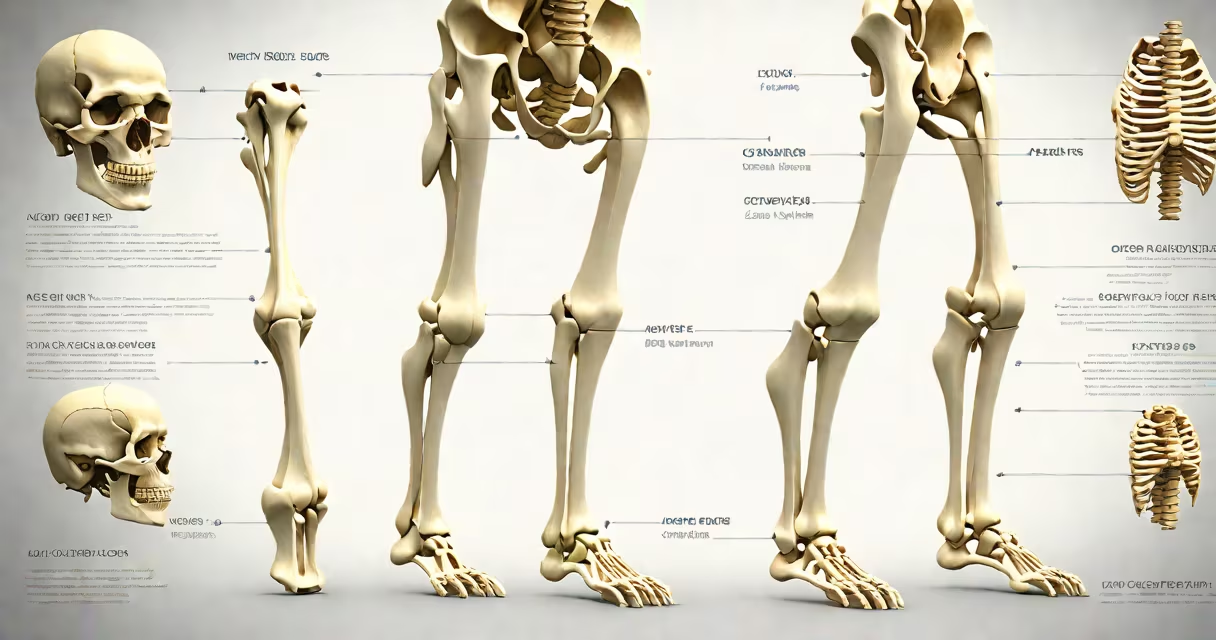
The hip and leg are connected by a ball-and-socket joint where the femur (thigh bone) meets the pelvis, supported by muscles and ligaments that enable movement and stability.
The hip joint consists of the femoral head (top of the femur) and the acetabulum (socket in the pelvis). The femur connects to the tibia and fibula (lower leg bones) at the knee joint. Muscles around the hip and upper leg, such as the gluteus maximus, quadriceps, and hamstrings, control movement and support the joint.
The hip joint allows for many motion, including flexion, extension, abduction, adduction, and rotation. The femur acts as a lever, transmitting forces from the upper body to the legs during activities like walking, running, and jumping. Ligaments and tendons stabilize the joint, while cartilage cushions the bones to prevent friction.
Conditions like osteoarthritis, hip impingement, and muscle strains can cause pain and limit mobility. Overuse injuries, such as tendonitis, often affect the muscles connecting the hip to the leg. Proper diagnosis and treatment, including physical therapy and strengthening exercises, are essential for recovery.
Hip flexor strains are common among athletes and sedentary individuals alike. The iliopsoas muscle, which runs from the lower spine to the femur, can become tight or torn due to overuse or sudden movements. Symptoms include sharp pain in the front of the hip or upper thigh, especially when lifting the knee or bending at the waist. Treatment involves rest, ice, compression, and gradual stretching exercises to restore flexibility and strength.
Many people assume that all hip pain originates from the joint itself. However, issues in the lower back, such as herniated discs, can refer pain to the hip and upper leg. Similarly, sciatica-a condition affecting the sciatic nerve-can cause radiating pain down the leg. Accurate diagnosis requires a thorough examination by a healthcare professional.
Regular exercise targeting the hip and leg muscles can improve stability and reduce injury risk. Exercises like squats, lunges, and clamshells strengthen the gluteal muscles, while bridges and leg lifts target the hip flexors. Incorporating these movements into a fitness routine promotes joint health and performance.