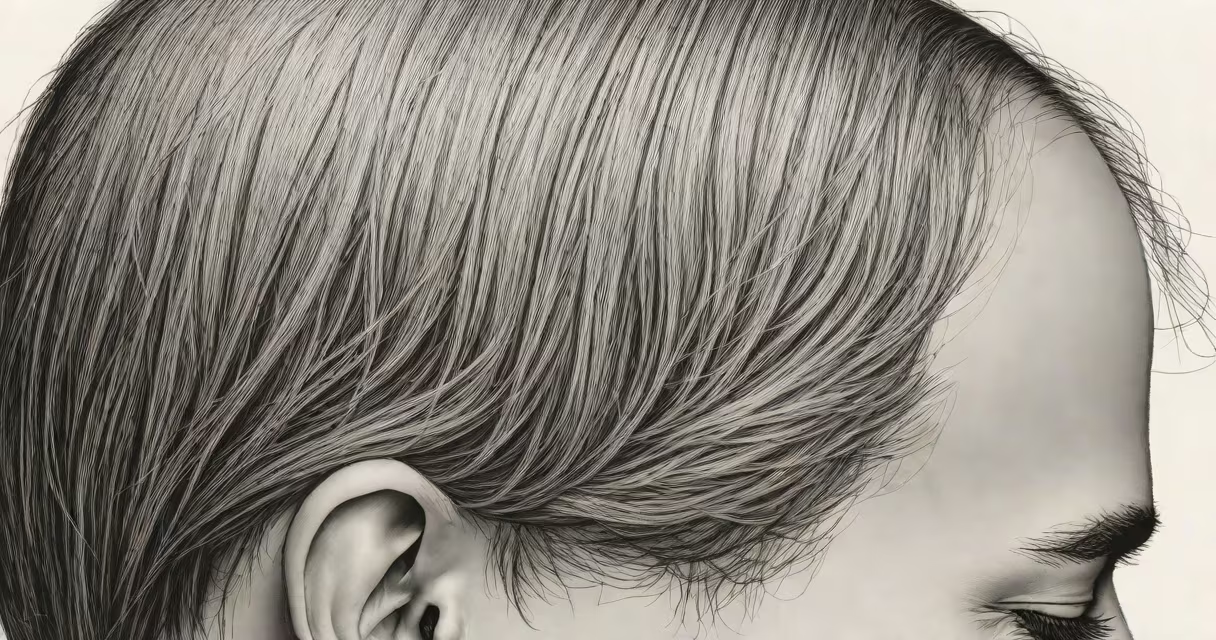
Hormonal changes hair loss occurs when fluctuations in estrogen, testosterone, or thyroid hormones disrupt the hair growth cycle, often causing temporary or permanent thinning. This type of hair loss affects both men and women, typically appearing as diffuse thinning rather than patterned baldness.
Hair grows in cycles: anagen (growth), catagen (transition), and telogen (resting). Hormones regulate these phases. When hormone levels shift-due to pregnancy, menopause, thyroid disorders, or medications-hair follicles may prematurely enter the resting phase, leading to shedding.
For example, high androgen levels (like dihydrotestosterone, or DHT) can shrink hair follicles, shortening the anagen phase and causing thinner, weaker strands. This is common in androgenetic alopecia, the most prevalent form of hereditary hair loss.
| Type | Cause | Typical Onset | Reversibility |
|---|---|---|---|
| Postpartum hair loss | Estrogen drop after childbirth | 2-6 months postpartum | Temporary (6-12 months) |
| Menopausal hair loss | Declining estrogen levels | Perimenopause to postmenopause | Partial (may stabilize) |
| Thyroid-related hair loss | Hyperthyroidism or hypothyroidism | Weeks to months after onset | Temporary (with treatment) |
| Androgenic alopecia | DHT sensitivity | Late teens to early 20s | Permanent (without intervention) |
Many assume hormonal hair loss is always permanent. While androgenetic alopecia can be progressive, other types-like postpartum shedding-are temporary. For instance, postpartum hair loss peaks around 4 months after delivery and usually resolves within a year as hormone levels normalize.
Another myth is that only men experience androgen-related hair loss. Women can also develop androgenetic alopecia, though it often manifests as diffuse thinning rather than receding hairlines.
Doctors diagnose hormonal hair loss through blood tests (to check thyroid, iron, and hormone levels), scalp biopsies, or by reviewing medical history. Treatments vary:
In my practice, I've seen patients regain significant density with minoxidil and thyroid medication adjustments. However, results depend on the underlying cause and individual response.
Consult a dermatologist if hair loss persists beyond 3 months, worsens suddenly, or occurs with other symptoms (e.g., fatigue, weight changes). Early intervention improves outcomes, especially for thyroid-related or autoimmune causes.
For more details on hair loss due to hormonal imbalance, including specific treatments, visit our dedicated guide. If you suspect medication-related hair loss, such as with atenolol and hair loss, consult your doctor about alternatives.