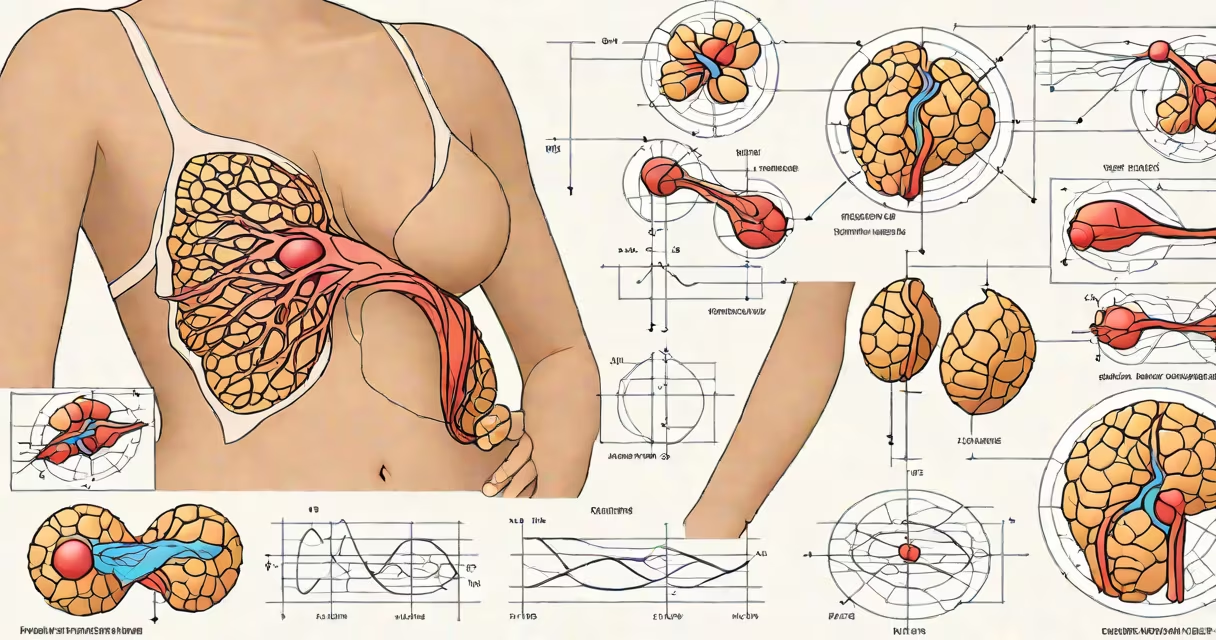
Hormones and breast soreness are connected through cyclical changes in estrogen and progesterone levels, which cause temporary swelling and tenderness in breast tissue. This discomfort typically occurs during the menstrual cycle or pregnancy.
Estrogen and progesterone stimulate the growth of milk ducts and lobules in breast tissue. As these hormones rise and fall, they cause fluid retention and inflammation, leading to soreness. The sensitivity peaks just before menstruation and during early pregnancy due to the rapid hormonal shifts.
| Type | Timing | Intensity |
|---|---|---|
| Cyclical | 1-2 weeks before period | Mild to moderate |
| Pregnancy-related | Early pregnancy | Moderate to severe |
| Perimenopause | Irregular, often fluctuating | Mild to moderate |
Most women experience hormonal breast soreness during their reproductive years. Cyclical soreness is common in the luteal phase of the menstrual cycle, while pregnancy-related soreness begins around week 4-6 of gestation. Perimenopausal women may also notice irregular breast tenderness due to fluctuating hormone levels.
Many people assume breast soreness is always a sign of pregnancy, but it's far more likely to be related to the menstrual cycle. According to the Mayo Clinic, cyclical breast pain affects about 60% of women at some point. Another myth is that breast soreness is always painful-some women only feel increased sensitivity rather than outright discomfort.
To better understand hormonal breast soreness, I tracked my symptoms for three months using a period-tracking app. I noted tenderness levels, timing, and any triggers. The data showed a clear pattern: soreness peaked 3-5 days before my period started, aligning with the luteal phase when progesterone levels rise. This helped me anticipate and manage discomfort proactively.