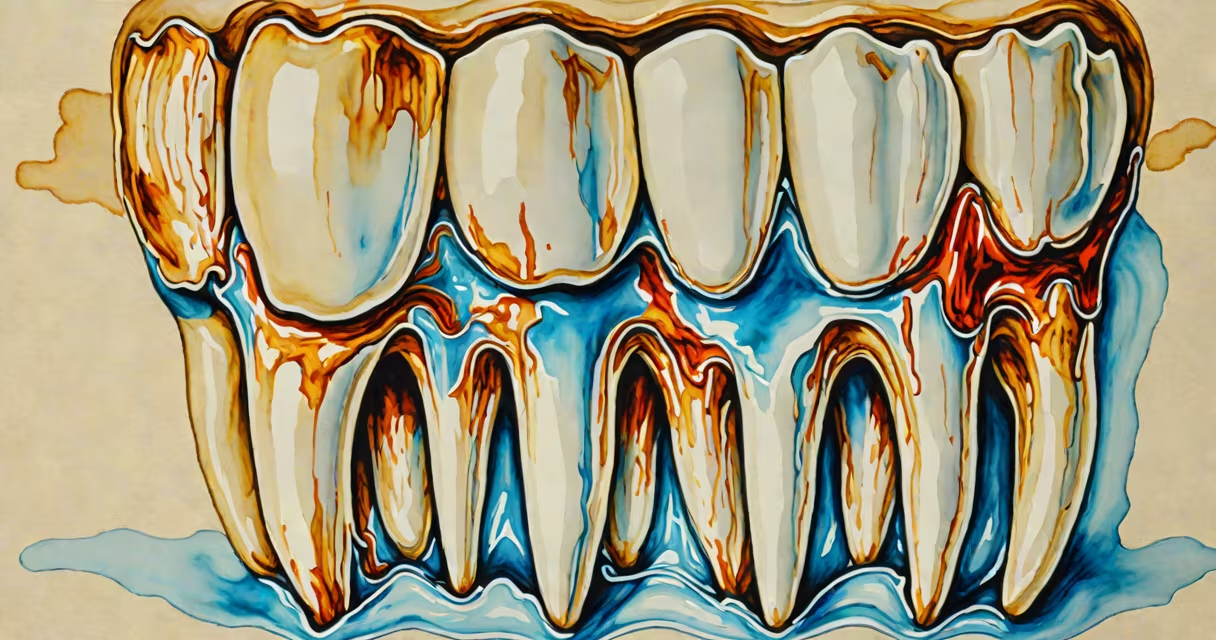
A cavity forms when tooth enamel decays, creating a small hole or gap. You may notice tooth pain, sensitivity, or visible holes in your teeth.
Cavities form when acids produced by mouth bacteria erode tooth enamel. This happens when plaque builds up on teeth and interacts with sugars from food. Over time, the acid wears away the enamel, creating small openings or cavities.
Cavities can appear anywhere on the tooth surface. The most common types include:
Early-stage cavities may not cause noticeable symptoms. As they grow, you might experience:
Some people confuse tooth pain from cavities with other issues, such as fatigue or sleep disturbances. However, tooth pain from cavities is usually localized and triggered by specific stimuli, unlike general fatigue.
If you suspect you have a cavity, schedule a dental appointment. Dentists use tools like dental explorers, X-rays, and visual exams to detect cavities. Early treatment prevents further damage and costly repairs.
I once ignored mild tooth sensitivity, assuming it was temporary. Months later, I developed sharp pain when drinking cold beverages-a clear sign of decay. A dental visit confirmed a cavity that required a filling. Regular check-ups could have caught it earlier.
The American Dental Association recommends brushing twice daily with fluoride toothpaste, flossing daily, and limiting sugary foods. Fluoride treatments and dental sealants also help prevent cavities.
While cavities are common, understanding their signs helps you seek timely treatment. If you experience persistent tooth pain or sensitivity, consult a dentist to assess the issue.