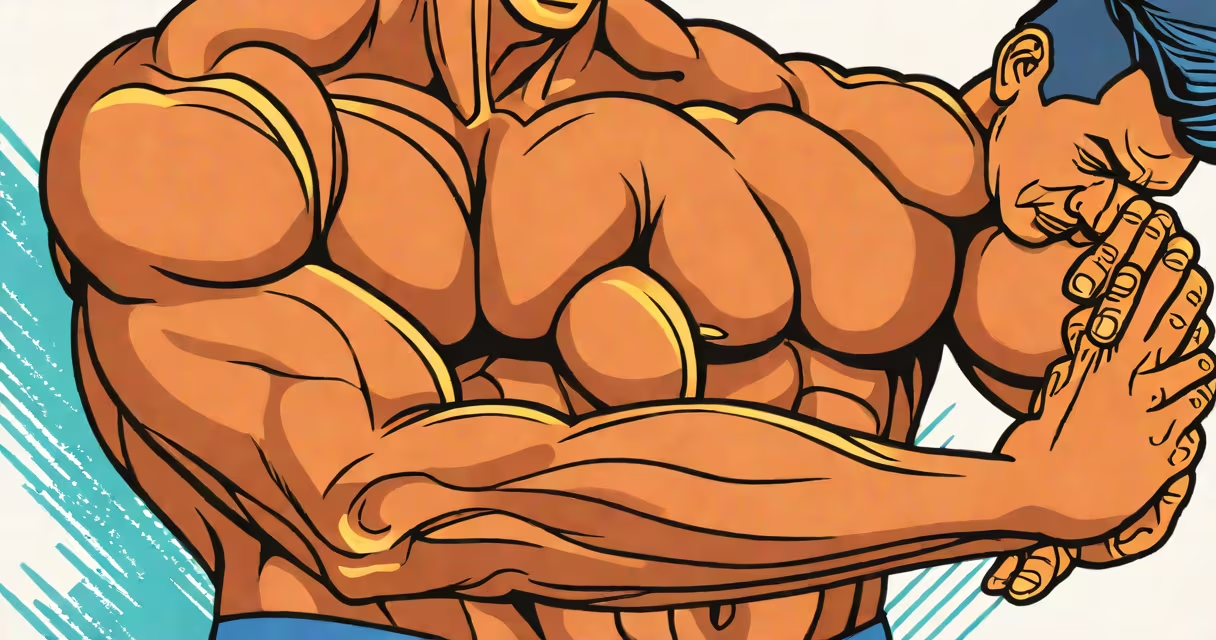
Muscles get sore primarily due to microscopic damage to muscle fibers during intense or unfamiliar physical activity, leading to inflammation and delayed-onset muscle soreness (DOMS). This process typically peaks 24-72 hours after exercise.
When you engage in strenuous exercise, especially activities that involve eccentric contractions (lengthening muscles under tension), tiny tears occur in your muscle fibers. Your body responds by increasing blood flow to the area, which can cause swelling and inflammation. This inflammatory response is part of the repair process but also triggers pain receptors, resulting in soreness.
There are two primary types of muscle soreness:
DOMS is most common when you start a new exercise program, increase the intensity of your workouts, or perform exercises that are unfamiliar to your body. For example, if you suddenly start doing heavy squats after months of light cardio, you're likely to experience significant soreness. The body adapts over time, reducing soreness with regular exercise.
Research from the American College of Sports Medicine indicates that DOMS is not solely due to lactic acid buildup, as previously thought, but rather from the inflammatory response to muscle damage. This response includes the release of cytokines and other signaling molecules that contribute to pain and stiffness.
Many people believe that muscle soreness is an indicator of a good workout. While some soreness can signal that your muscles are adapting, excessive soreness doesn't necessarily mean your workout was more effective. In fact, overly intense workouts can lead to prolonged recovery times and increase the risk of injury.
Another misconception is that stretching before or after exercise prevents DOMS. While stretching can improve flexibility and reduce the risk of injury, it doesn't reduce muscle soreness. Proper warm-ups and gradual increases in exercise intensity are more effective strategies.
To alleviate muscle soreness, focus on recovery techniques such as gentle stretching, foam rolling, and hydration. Light aerobic exercise, like walking or swimming, can also promote blood flow and speed up recovery., proper nutrition, including adequate protein intake, supports muscle repair.
Understanding how muscles get sore and implementing proper recovery strategies can help you maintain a consistent exercise routine without unnecessary setbacks.