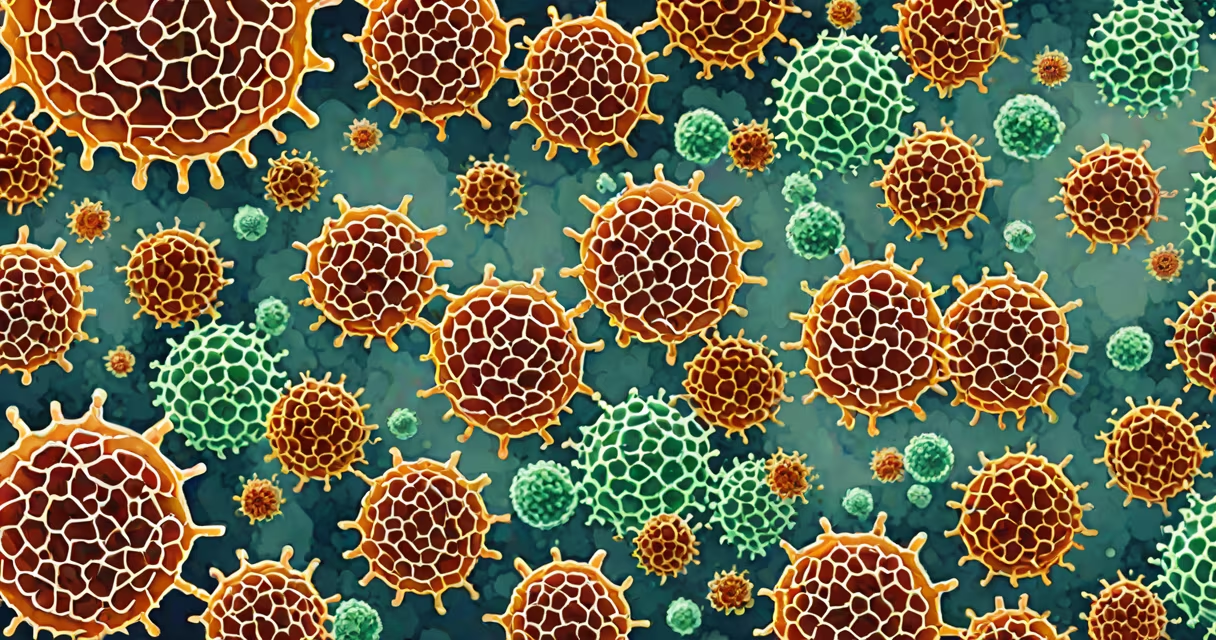
A stomach virus is a contagious infection that inflames the stomach and intestines, causing nausea, vomiting, diarrhea, and cramping. These viruses, primarily norovirus and rotavirus, spread through contaminated food, water, or surfaces and attack the lining of the gastrointestinal tract.
Stomach viruses, or viral gastroenteritis, enter your body through the mouth and travel to the small intestine. Once there, they invade and damage the cells lining your digestive tract. This disruption interferes with nutrient absorption and fluid balance, leading to symptoms like diarrhea and dehydration.
Norovirus, one of the most common culprits, produces a protein that disrupts the small projections (microvilli) on intestinal cells. These microvilli are important for absorbing nutrients and water. When damaged, they allow fluids to leak into the intestines, causing diarrhea. Rotavirus, another leading cause, damages cells in both the small and large intestines, leading to more severe symptoms.
The two most prevalent stomach viruses are norovirus and rotavirus, but others, like adenovirus and astrovirus, can also cause similar symptoms. Here's a quick comparison:
| Virus | Common Symptoms | Duration | Primary Transmission |
|---|---|---|---|
| Norovirus | Sudden onset of vomiting, diarrhea, stomach cramps | 1-3 days | Contaminated food or surfaces, person-to-person contact |
| Rotavirus | Watery diarrhea, fever, vomiting (common in children) | 3-7 days | Fecal-oral route, respiratory droplets |
| Adenovirus | Diarrhea, fever, respiratory symptoms | Varies | Respiratory droplets, contaminated surfaces |
| Astrovirus | Diarrhea, vomiting, stomach pain | Varies | Contaminated food or water |
Stomach viruses spread primarily through the fecal-oral route, meaning they enter the mouth from contaminated hands, surfaces, or food. Norovirus, for example, can survive on surfaces for weeks and requires only a few particles to infect someone. Rotavirus spreads similarly but often affects younger children due to their developing immune systems.
Foodborne outbreaks are common, especially with norovirus. In 2016, a norovirus outbreak linked to oysters in California sickened over 100 people. The virus had contaminated the oysters through sewage runoff, highlighting the importance of proper food handling and sanitation.
Many people mistake stomach viruses for food poisoning, but the two are distinct. Food poisoning is caused by bacteria (like Salmonella or E. coli) or toxins in food, while stomach viruses are caused by viral infections. Symptoms of food poisoning usually appear within hours, whereas viral gastroenteritis takes 12-48 hours to develop.
Another key difference is duration. Bacterial food poisoning typically resolves within a few days, while stomach viruses can last longer, especially in vulnerable populations like young children or the elderly. Proper hygiene, such as frequent handwashing and disinfecting surfaces, is important in preventing both.
Since stomach viruses are highly contagious, prevention focuses on good hygiene practices. Washing hands thoroughly with soap and water, cooking food to safe temperatures, and avoiding contact with infected individuals can reduce the risk of infection.
Treatment primarily involves managing symptoms, as antiviral medications are not typically used for stomach viruses. Staying hydrated with oral rehydration solutions (ORS) is critical, especially for children and the elderly, who are at higher risk of dehydration. In severe cases, intravenous fluids may be necessary.
While stomach viruses are unpleasant, most people recover fully within a few days. Understanding how they work and taking preventive measures can help minimize their impact.