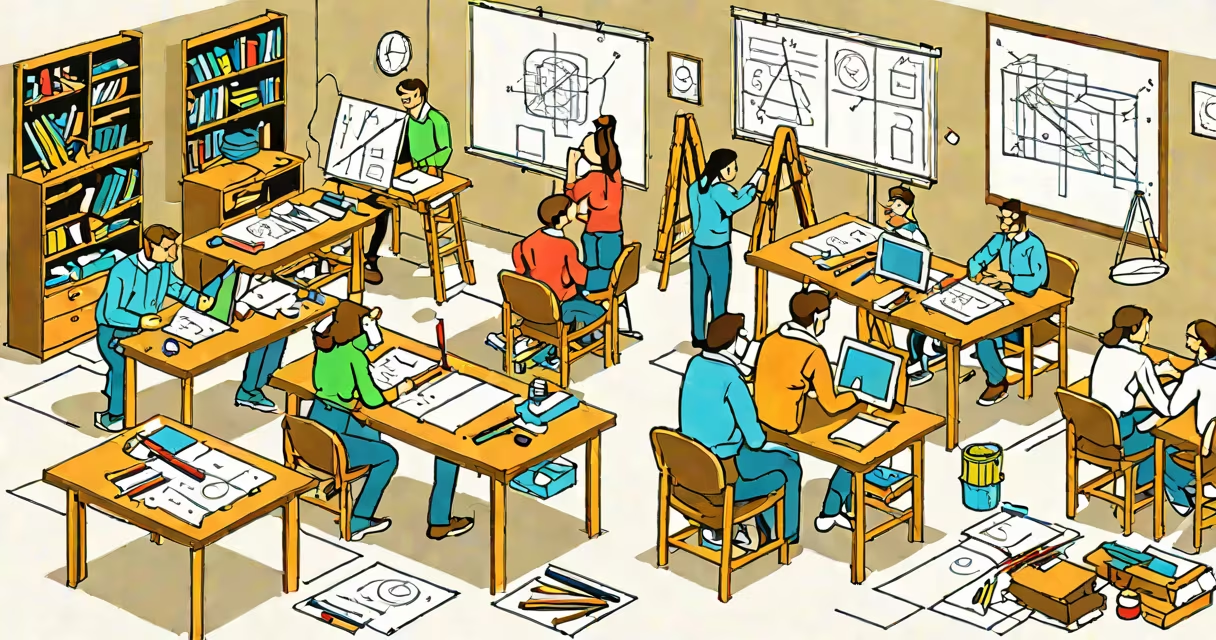
To become an art teacher, you need a bachelor's degree in art education, state teaching certification, and hands-on classroom experience through student teaching. The process combines art expertise with pedagogical training.
Most art teachers earn a bachelor's degree in art education, which includes both studio art courses and teaching methods. Some programs offer specializations like K-12 art education or art therapy. Alternatively, you can major in fine arts and minor in education, though this may require additional coursework later.
For higher-level teaching roles, such as at the college level, a master's degree in art education or fine arts is often required. Some states also mandate continuing education for license renewal.
Each state sets its own requirements for teaching certification. Generally, you'll need to pass exams like the Praxis series, which includes tests on art content knowledge and teaching skills. Background checks and fingerprinting are also standard.
Some states offer alternative certification routes for those with art degrees who want to teach but lack formal education training. These programs typically involve intensive training and mentorship.
Student teaching is a critical step, usually completed during your bachelor's program. This hands-on experience lets you apply classroom management techniques while teaching actual lessons under supervision.
Additional experience can come from substitute teaching, internships, or volunteering in schools. Many art teachers also build portfolios showcasing their own artwork, which can strengthen job applications.
Art teachers can specialize in different areas, such as elementary, middle, or high school art programs. Some focus on specific mediums like ceramics, digital art, or painting. Others pursue roles in special education or adult education.
Art teachers can also explore non-traditional paths, such as teaching art therapy or working in museums and community centers. A growing trend is online art instruction, which requires adapting traditional teaching methods to virtual platforms.
When I student-taught at a local high school, I designed a unit on digital illustration using free software. Seeing students engage with technology they hadn't tried before reinforced how adaptable art education can be. The experience also highlighted the importance of clear communication-some students needed extra guidance with technical terms.
After graduation, I applied for positions in both public and private schools. My portfolio, which included lesson plans and student work samples, helped me stand out during interviews. Landing my first job required persistence, as many schools hire based on long-term substitutes or internal promotions.