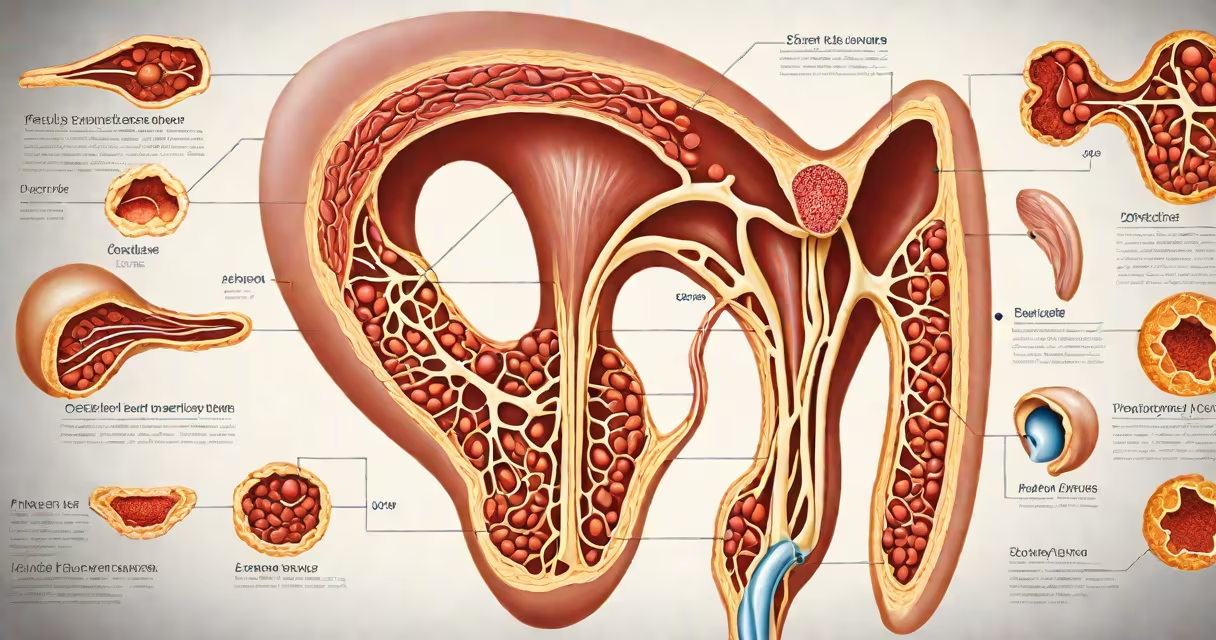
Female ejaculation occurs when fluid is expelled from the urethra during orgasm, triggered by stimulation of the Skene's glands. This phenomenon, often called "squirting," results from a mix of bladder control and pelvic muscle contractions.
The process involves the Skene's glands, located near the urethra, which produce fluid similar to prostate fluid in males. During arousal, these glands fill with fluid, and intense stimulation can cause this fluid to be expelled through the urethra. Unlike urine, this fluid is clear and odorless, composed mostly of glucose and trace amounts of urea.
A study published in the Journal of Sexual Medicine found that about 10-50% of women experience some form of ejaculation during orgasm. The volume varies widely, from a few drops to several tablespoons.
| Type | Source | Appearance |
|---|---|---|
| Ejaculation | Skene's glands | Clear, thin fluid |
| Squirting | Bladder (small amount) | Watery, may contain traces of urine |
Many people confuse female ejaculation with squirting, assuming they are the same. However, squirting typically involves a small amount of urine mixed with glandular fluid, while ejaculation is purely glandular fluid. Both can occur separately or together during orgasm.
During my research, I spoke with a sex educator who emphasized the importance of communication and exploration. She noted that many women discover their ability to ejaculate through experimentation with different types of clitoral and G-spot stimulation.
Female ejaculation is a natural and varied experience influenced by anatomy, stimulation, and individual differences. Understanding the role of the Skene's glands and bladder control can help demystify this common but often misunderstood aspect of sexual health.