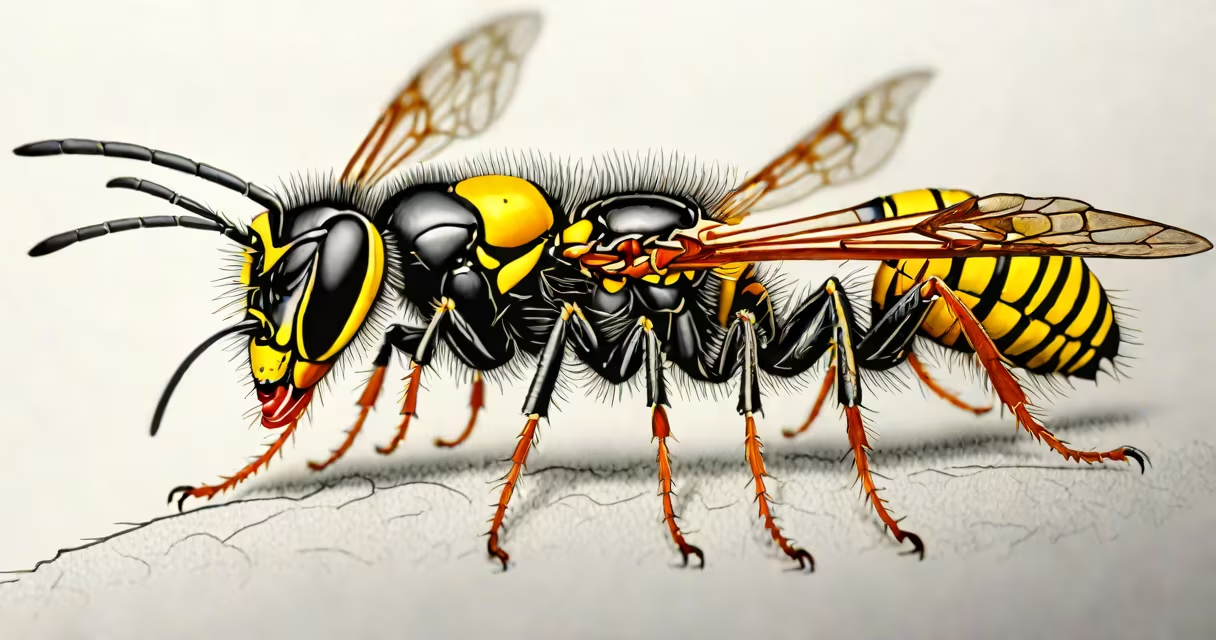
A wasp sting occurs when a wasp injects venom through its stinger into your skin, causing immediate pain, redness, and swelling. To soothe a wasp sting, wash the area with soap and water, apply a cold compress, and use over-the-counter pain relievers or antihistamines.
When a wasp stings, it releases venom containing proteins that trigger an immune response, leading to inflammation and pain. Unlike bees, wasps can sting multiple times because their stingers are smooth and not barbed. The venom affects the body by causing cells to release histamine, which increases blood flow to the area and causes swelling.
Wasp stings typically occur when the insect feels threatened or disturbed. They are common in outdoor settings like gardens, parks, and near trash cans where wasps search for food. People often get stung while handling nests, eating sweet foods, or wearing bright colors that attract wasps. Understanding these triggers can help prevent stings.
Many people believe that squeezing out the venom or using folk remedies like vinegar or baking soda is effective. However, these methods are not supported by medical evidence. The best approach is to clean the area, apply a cold compress to reduce swelling, and use appropriate medications. For severe reactions, seek medical attention immediately.
For instance, applying a cold compress within the first few minutes can reduce swelling and pain. Over-the-counter antihistamines like Benadryl can help alleviate itching and reduce the body's reaction to the venom. Pain relievers such as ibuprofen can also help manage discomfort.
If you experience symptoms like difficulty breathing, rapid heartbeat, or severe swelling, these could indicate an allergic reaction, and you should seek emergency medical care. For most people, however, following these steps will provide effective relief from a wasp sting.
I once got stung by a wasp while gardening. The pain was intense, but washing the area and applying a cold compress helped reduce the swelling quickly. Using an antihistamine also prevented excessive itching. It was a good reminder of how important it is to know how to treat a wasp sting properly.
Do not scratch the sting site, as this can increase irritation and risk of infection. Avoid applying heat, as it can worsen swelling. Do not use folk remedies like urine or mud, as these are ineffective and can introduce bacteria. Stick to medically proven treatments for the best results.
By following these steps, you can effectively soothe a wasp sting and reduce discomfort. Always be cautious around wasps and know how to respond if you get stung.