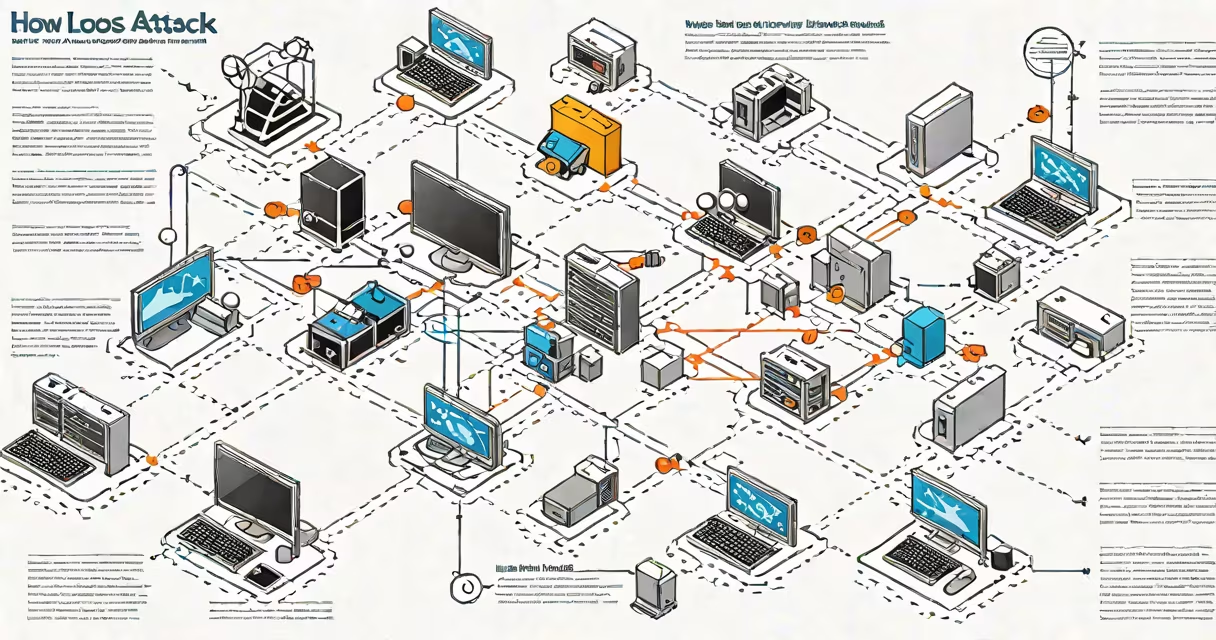
A DDoS attack typically lasts between a few hours and several days, though some persist for weeks. These attacks flood a target system with traffic to disrupt services, and their duration depends on the attacker's resources and the victim's defenses.
DDoS attacks overwhelm a server, service, or network with fake requests, making it unavailable to legitimate users. Attackers often use botnets-networks of compromised devices-to generate the traffic. The attack continues until the botnet is disabled or the target's defenses mitigate the traffic.
DDoS attacks fall into three categories:
| Type | Target | Duration |
|---|---|---|
| Volume-based | Bandwidth | Hours to days |
| Protocol | Server resources | Minutes to hours |
| Application-layer | Web applications | Days to weeks |
Volume-based attacks, like UDP floods, send massive amounts of data to clog bandwidth. Protocol attacks, such as SYN floods, exploit weaknesses in server communication. Application-layer attacks, including HTTP floods, target specific functions to exhaust resources.
Attacks persist because defenders struggle to identify and block malicious traffic without disrupting legitimate users. Attackers often use multiple vectors simultaneously, complicating mitigation. For example, the 2022 attack on a cloud provider lasted six months due to its scale and complexity.
Many assume DDoS attacks are short-lived, but prolonged attacks are common. Unlike brief outages caused by hardware failures, DDoS attacks continue until actively stopped. Defenders must continuously monitor traffic patterns to detect and mitigate them.
Organizations use firewalls, rate limiting, and cloud-based protection services to reduce vulnerability. For instance, a retail site might deploy a web application firewall to filter malicious requests. However, no solution guarantees complete protection. Regular updates and employee training also help minimize risks.
While DDoS attacks vary in duration, preparation and quick response are key to minimizing damage. Understanding attack types and implementing safeguards can help organizations stay resilient against these threats.