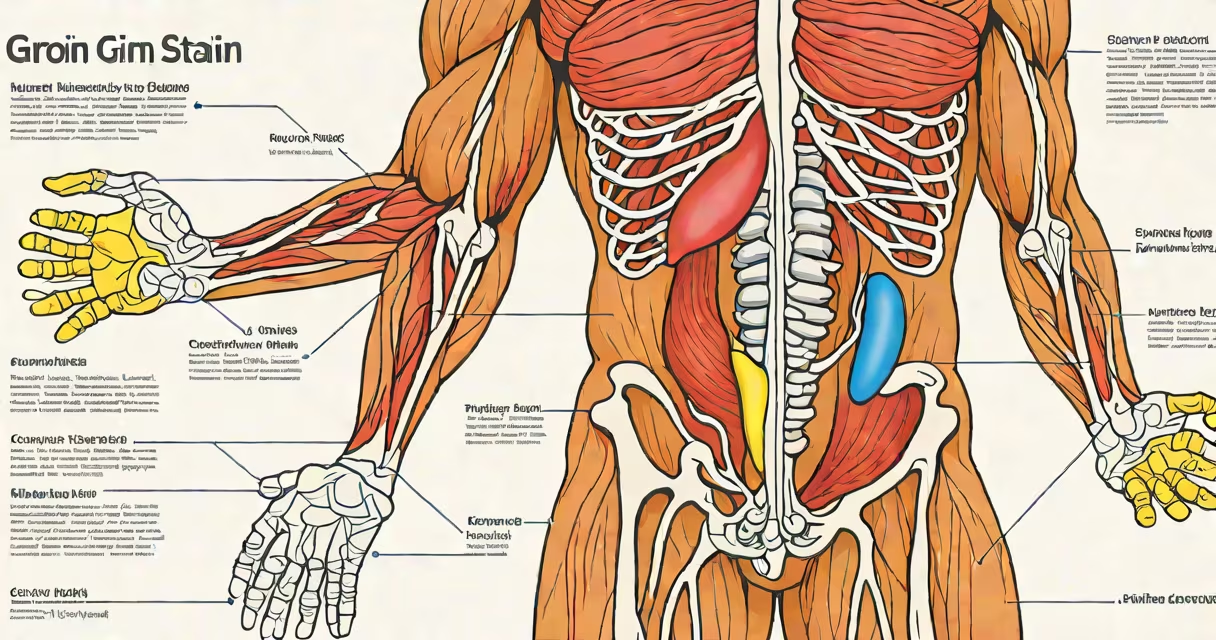
A groin strain typically takes 1-6 weeks to heal, depending on severity. Mild strains may resolve in days, while severe tears require months of rehabilitation.
Groin strains occur when muscles in the inner thigh (adductors) are stretched beyond their limits. This often happens during sudden movements like sprinting, changing direction, or kicking. The adductor longus is most commonly affected.
| Grade | Description | Recovery Time |
|---|---|---|
| Grade 1 | Mild overstretching with minimal damage | 1-3 weeks |
| Grade 2 | Partial tearing with moderate pain and swelling | 4-6 weeks |
| Grade 3 | Complete muscle tear with severe pain and loss of function | 3-6 months |
Rest, ice, compression, and elevation (RICE) are critical in the first 48 hours. Afterward, gentle stretching and strengthening exercises help restore mobility. Physical therapy may be needed for severe strains.
I once treated a soccer player with a Grade 2 strain who returned in five weeks by following a structured rehab plan. The key was gradual progression-too much too soon can worsen the injury.
Many athletes return too early, risking re-injury. Overstretching or high-impact activities before full healing can prolong recovery. A study in the Journal of Orthopaedic & Sports Physical Therapy found that 30% of groin strains recur due to premature resumption of activity.
Consult a healthcare provider if pain persists beyond six weeks, or if swelling, bruising, or weakness doesn't improve. Severe strains may require imaging (MRI or ultrasound) to assess damage.