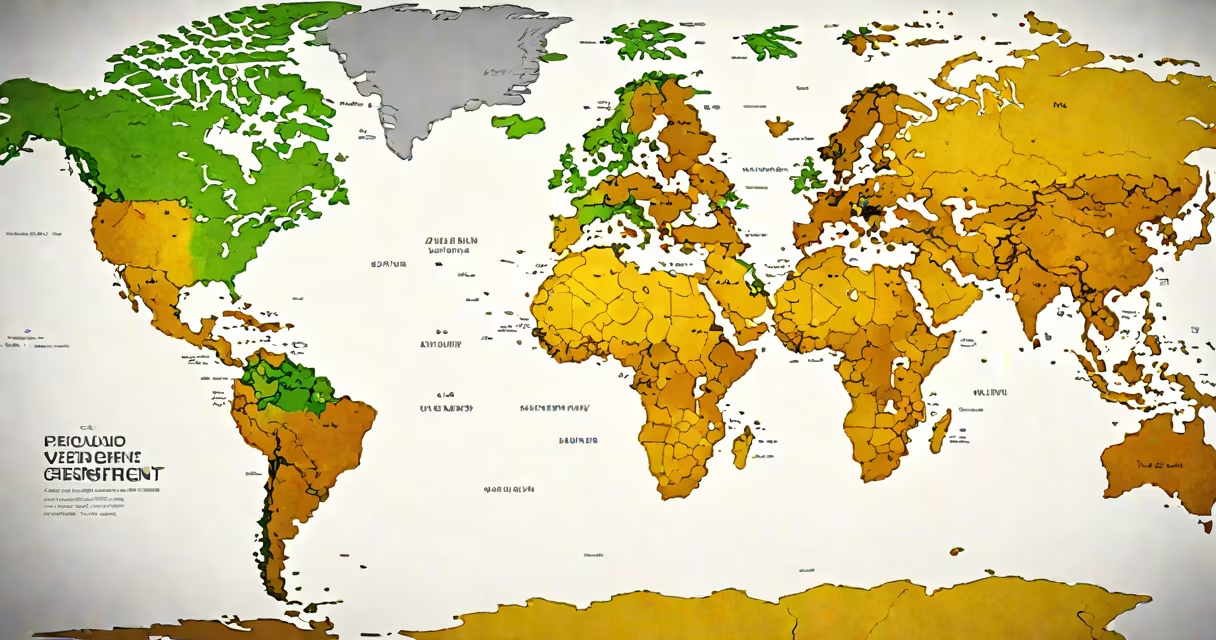
About 67% of adults worldwide are either overweight or obese, according to the World Health Organization (WHO). In the United States, 73% of adults meet this classification.
Body mass index (BMI) measures weight relative to height. The WHO defines:
These ranges apply to most adults aged 18 and older. BMI doesn't account for muscle mass or fat distribution, so it's not perfect.
| Classification | BMI Range | U.S. Prevalence (Adults) |
|---|---|---|
| Overweight | 25-29.9 | 33% |
| Class I Obesity | 30-34.9 | 32% |
| Class II Obesity | 35-39.9 | 8% |
| Class III Obesity | 40+ | 9% |
Source: Centers for Disease Control and Prevention (CDC), 2022 data.
Excess weight increases risks for chronic diseases like heart disease, diabetes, and certain cancers. The WHO estimates that obesity-related conditions kill at least 2.8 million people annually.
In the U.S., medical costs for obesity-related issues exceed $173 billion yearly. Globally, the economic burden is even higher due to lost productivity.
Many people confuse overweight and obesity. Both are health concerns, but obesity carries higher risks. Another myth is that weight is purely about diet and exercise-genetics, metabolism, and environment also play roles.
I once worked with a client who believed they couldn't be overweight because they exercised daily. Their BMI was 32, placing them in the obese category. This showed me how misleading assumptions can be.
A 5-foot-9-inch adult weighing 180 pounds has a BMI of 28.9, classifying them as overweight. To reach a normal BMI, they'd need to reduce their weight to about 150 pounds.
This calculation uses the formula: BMI = (Weight in Pounds / (Height in Inches x Height in Inches)) x 703.