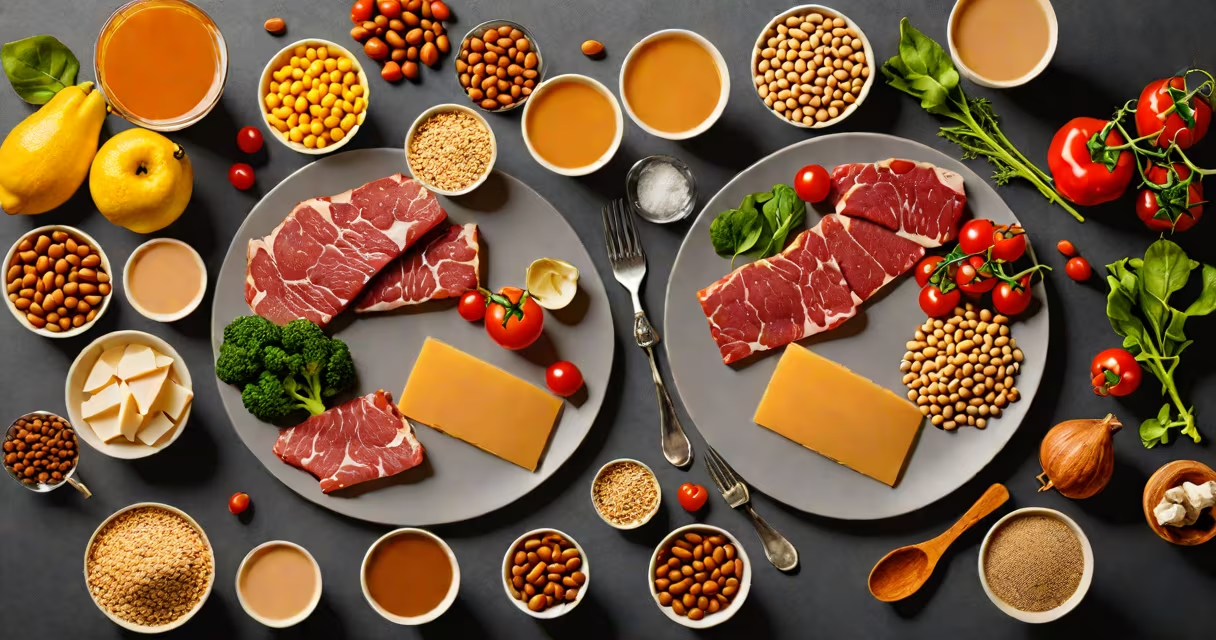
Too much protein occurs when intake exceeds 2.2 grams per kilogram of body weight daily, typically causing digestive issues, nutrient imbalances, or kidney strain. Most adults need 0.8 to 1.2 grams per kilogram.
Excess protein forces your kidneys to work harder filtering waste products like urea. The liver converts surplus amino acids into glucose or fat, potentially leading to weight gain. Digestive discomfort often appears first.
| Type | Daily Intake | Common Sources |
|---|---|---|
| Moderate excess | 1.5-2.2g/kg | High-protein diets, protein shakes |
| Severe excess | >2.2g/kg | Extreme bodybuilding regimens, liquid protein diets |
Bodybuilders and athletes often exceed safe limits during bulking phases. Weight-loss programs sometimes recommend high-protein diets without proper guidance. The average American consumes about 1.5 times the recommended protein intake, according to the National Institutes of Health.
Excessive protein intake is commonly confused with protein deficiency symptoms. Unlike deficiency, which causes muscle wasting and fatigue, overconsumption leads to digestive upset, dehydration, and potential kidney damage.
A 150-pound (68 kg) person consuming 200 grams of protein daily exceeds the upper safe limit of 150 grams. This could cause headaches, nausea, and bloating within hours. The body can't store excess protein efficiently, unlike fats or carbohydrates.
Protein toxicity requires extreme intake levels (over 2.2g/kg daily for extended periods). Temporary spikes from occasional high-protein meals don't cause lasting harm. The body excretes excess nitrogen through urine, but prolonged high intake strains kidneys.
Unlike fats or carbs, protein doesn't convert directly to energy. Excess gets metabolized into glucose or stored as fat, potentially contributing to weight gain despite eating a low-carb diet.
Most people don't need protein supplements. Whole foods provide balanced nutrition without excessive protein. For those cutting calories, focus on lean proteins like chicken breast (31g protein per 100g) rather than processed supplements.
Monitor protein intake using apps like MyFitnessPal or Cronometer. Adjust portions based on activity levels and health goals. Athletes may need more protein, but even they shouldn't exceed 2.2g/kg daily without medical supervision.