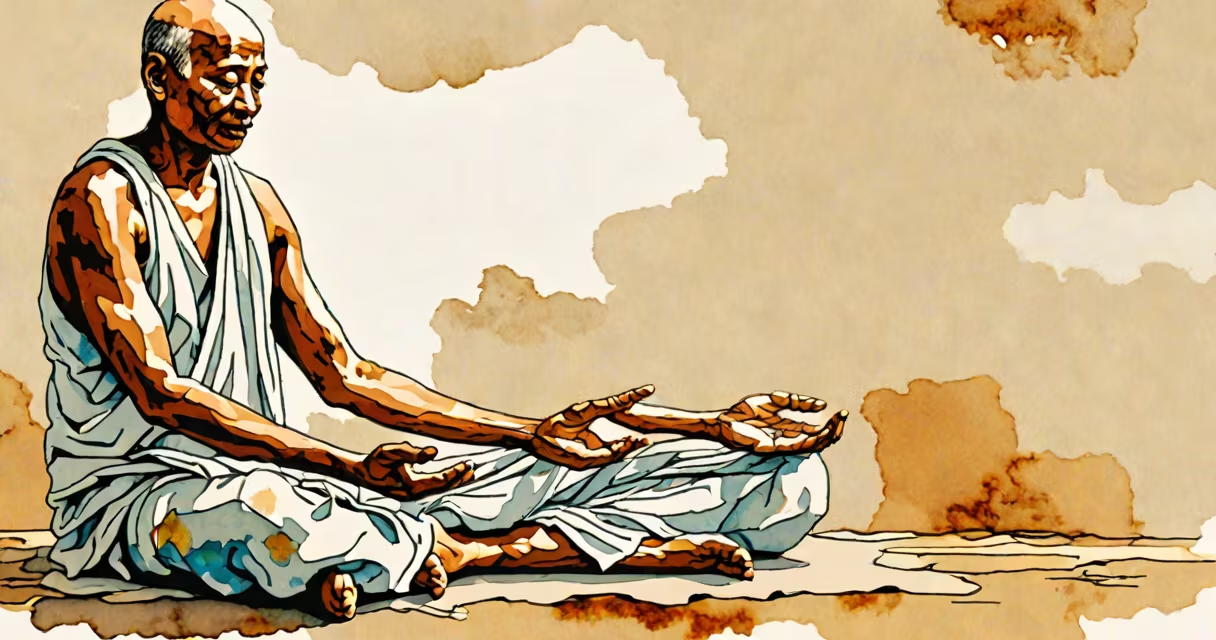
Vipassana meditation is an ancient Buddhist practice focusing on mindfulness and insight through observing bodily sensations, thoughts, and emotions without judgment. It involves sitting quietly, paying attention to the breath, and systematically scanning the body to develop awareness and equanimity.
Vipassana, meaning "insight" in Pali, aims to cultivate direct understanding of reality by observing impermanence, suffering, and non-self. Practitioners develop concentration through breath awareness, then extend mindfulness to body scans and mental phenomena. The goal is to see things as they truly are, reducing reactivity and increasing wisdom.
Vipassana typically follows these steps:
Two primary styles exist: traditional Vipassana (focused on body sensations) and Mahasi Sayadaw's method (noting mental events). Both emphasize non-judgmental observation.
Vipassana is practiced worldwide in meditation centers, retreats, and daily life. It's used to reduce stress, improve emotional well-being, and cultivate spiritual insight. Research from Harvard Medical School shows it can improve focus and emotional regulation.
Many practitioners attend 10-day silent retreats, like those taught by S.N. Goenka, where they follow strict guidelines including noble silence and vegetarian diet. These retreats often occur in specialized centers, such as the Dhamma.org network.
People often confuse Vipassana with other forms of meditation, such as Zen or loving-kindness (metta) practices. Unlike Zen, which may involve koan study or intense concentration, Vipassana focuses solely on mindfulness and insight. It's also distinct from transcendental meditation, which uses mantra repetition.
Another mistake is assuming Vipassana requires stopping thoughts entirely. Instead, the practice teaches observers to note thoughts without attachment, like clouds passing in the sky.
To start, find a quiet place and sit comfortably. Close your eyes and focus on your breath. Feel the air entering and leaving your nostrils. When your mind wanders, gently return attention to the breath. Next, scan your body, noting any sensations without judging them. If thoughts arise, label them ("thinking") and let them pass. Practice for 10-15 minutes daily, gradually increasing duration.
I began with 5-minute sessions, using a timer to avoid checking the clock. Over time, I extended sessions to 30 minutes, noticing improved focus and reduced reactivity to stressors.
If you're in meditation regularly, consider joining a local group or attending a retreat for deeper practice. The key is patience-progress comes with steady effort.