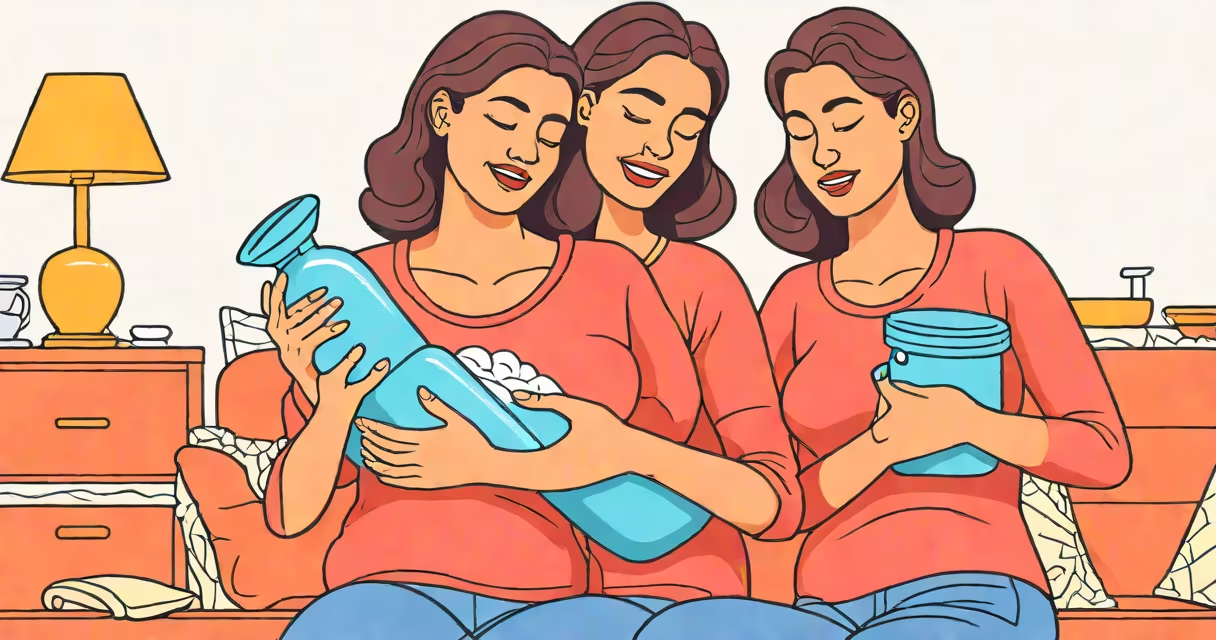
Period symptoms-such as cramps, bloating, and fatigue-occur due to hormonal changes during menstruation. Effective relief combines lifestyle adjustments, over-the-counter treatments, and natural remedies.
Menstrual cramps result from the uterus contracting to shed its lining. These contractions reduce blood flow, triggering pain signals. Hormonal fluctuations also cause bloating, headaches, and mood swings. Symptoms vary in severity and duration, typically lasting 1-7 days.
| Symptom | Description | Common Relief Methods |
|---|---|---|
| Cramps | Spasms in the lower abdomen | Heat therapy, NSAIDs, exercise |
| Bloating | Swelling in the abdomen | Hydration, low-sodium diet, gentle movement |
| Fatigue | Extreme tiredness | Rest, iron-rich foods, moderate caffeine |
| Headaches | Throbbing pain, often in the forehead | Hydration, pain relievers, dark/restful environments |
| Mood Swings | Emotional shifts, irritability | Stress management, support systems, light exercise |
Over-the-counter pain relievers like ibuprofen or naproxen reduce inflammation and cramping. Heat therapy-such as a heating pad or hot water bottle-relaxes uterine muscles. Gentle exercise, like walking or yoga, improves circulation and eases discomfort.
Dietary changes also help. Reducing salt intake minimizes bloating, while increasing magnesium-rich foods (like nuts and leafy greens) may ease cramps. Staying hydrated supports well-being.
Natural remedies, such as ginger tea or chamomile, have anti-inflammatory properties. Some women find relief with supplements like omega-3 fatty acids or vitamin B1. However, always consult a doctor before trying new supplements.
Many people believe severe cramps are normal, but extreme pain could indicate conditions like endometriosis or fibroids. If symptoms disrupt daily life, see a healthcare provider. Another myth is that exercise worsens cramps, but light activity often reduces discomfort.
Some think skipping meals helps, but low blood sugar can worsen fatigue and irritability. Balanced meals with complex carbs, proteins, and healthy fats stabilize energy levels.
Severe symptoms-such as fainting, vomiting, or pain that doesn't improve with treatment-require medical attention. Persistent heavy bleeding or symptoms that worsen over time may indicate an underlying condition. A doctor can recommend treatments like birth control or physical therapy.
For mild to moderate symptoms, combining methods-such as heat therapy, hydration, and over-the-counter pain relief-often provides the best results. Tracking symptoms with a period tracker app can help identify patterns and triggers.
I've found that staying proactive with hydration and light exercise makes my periods much more manageable. A warm bath with Epsom salts before bed also helps me sleep better during my cycle.