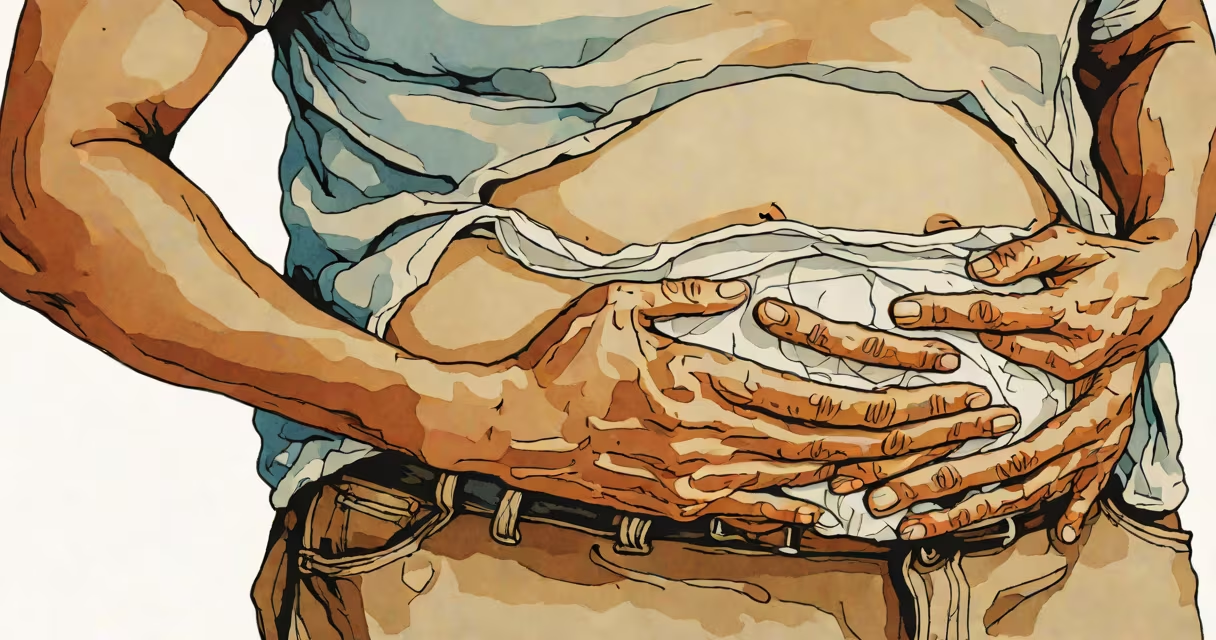
A bloated stomach with pain occurs when your gastrointestinal tract fills with air or gas, causing discomfort and swelling. This common issue often results from eating too quickly, swallowing air, or consuming gas-producing foods.
When gas builds up in your gut, it stretches the stomach lining, triggering pain signals. Your body tries to expel the gas through burping or passing it, but sometimes the process stalls, leading to cramps and bloating.
The most common causes include:
To relieve bloated stomach pain quickly, try these steps:
To prevent bloated stomach pain, focus on dietary changes and lifestyle adjustments:
| Prevention Method | Description |
|---|---|
| Eat Slowly | Chew your food thoroughly to reduce swallowed air. |
| Avoid Gas-Producing Foods | Limit intake of beans, cabbage, and carbonated drinks. |
| Stay Hydrated | Drink plenty of water to aid digestion. |
| Exercise Regularly | Physical activity promotes healthy digestion. |
Many people assume bloating is always caused by food. However, stress, hormonal changes, and certain medications can also contribute. Over-the-counter pain relievers like ibuprofen may irritate the stomach lining, worsening bloating.
I once experienced severe bloating after a high-fiber meal. Drinking peppermint tea and taking a short walk relieved the discomfort within an hour. This experience taught me the importance of balancing fiber intake with hydration.
Seek medical attention if bloated stomach pain is accompanied by severe symptoms such as:
Bloating and stomach pain are usually temporary and manageable with lifestyle changes and home remedies. However, persistent or severe symptoms warrant medical evaluation. Understanding the causes and effective relief methods can help you maintain digestive comfort and well-being.