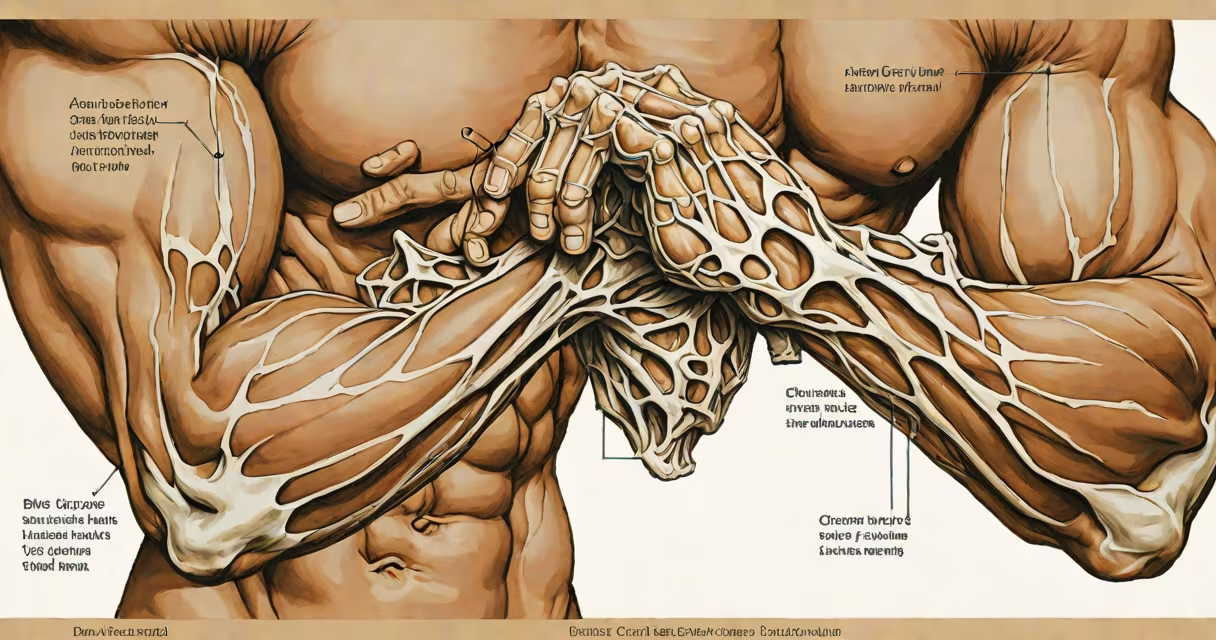
A torn bicep typically causes sudden, sharp pain in the upper arm or shoulder, often accompanied by bruising, weakness, or a popping sensation. The injury may occur during heavy lifting, sudden twisting motions, or sports activities involving overhead movements.
The biceps muscle has two heads that attach to bones in the shoulder and one long tendon connecting to the forearm. Tears most frequently occur at the distal tendon near the elbow or the proximal tendon near the shoulder. Acute tears result from sudden trauma, while chronic tears develop over time due to repetitive stress or degeneration.
| Type | Location | Common Causes |
|---|---|---|
| Distal biceps tear | Near the elbow | Heavy lifting, sudden twisting |
| Proximal biceps tear | Near the shoulder | Repetitive overhead motions, degenerative conditions |
| Complete tear | Full separation | Severe trauma, sudden force |
| Partial tear | Incomplete separation | Gradual wear, overuse |
Immediate signs of a bicep tear include:
Chronic symptoms develop gradually and may include persistent pain, weakness, or difficulty performing daily activities. Unlike muscle strains, which often improve with rest, tendon tears typically require medical intervention for full recovery.
Doctors diagnose bicep tears through physical exams and imaging tests like MRIs or ultrasounds. Treatment options range from rest and rehabilitation to surgery for severe tears. Physical therapy focuses on restoring strength and mobility, while surgical repair aims to reattach the torn tendon.
Most partial tears heal with nonsurgical treatments, but complete tears often require surgery, especially in younger, active individuals. Recovery times vary based on the severity of the tear and chosen treatment method.
Consult a healthcare professional if you experience sudden, severe pain in the upper arm or shoulder, especially after a traumatic event. Early diagnosis improves treatment outcomes and reduces the risk of long-term complications. While minor strains may resolve with rest, persistent symptoms warrant medical evaluation.
I once treated a client who ignored persistent arm pain for weeks, assuming it was just a strain. By the time they sought help, the tear had worsened, requiring surgery and months of rehabilitation. Early intervention could have prevented this outcome.
To reduce the risk of bicep tears, warm up properly before exercise, use proper lifting techniques, and avoid overexertion. Strengthening the rotator cuff muscles and maintaining shoulder health can also help prevent injuries. Understanding the difference between muscle strains and tendon tears ensures timely treatment and better recovery prospects.