How to lose belly fat while gaining muscle means creating a caloric deficit to burn fat while consuming enough protein to build muscle. This process, called body recomposition, requires careful nutrition and exercise planning.
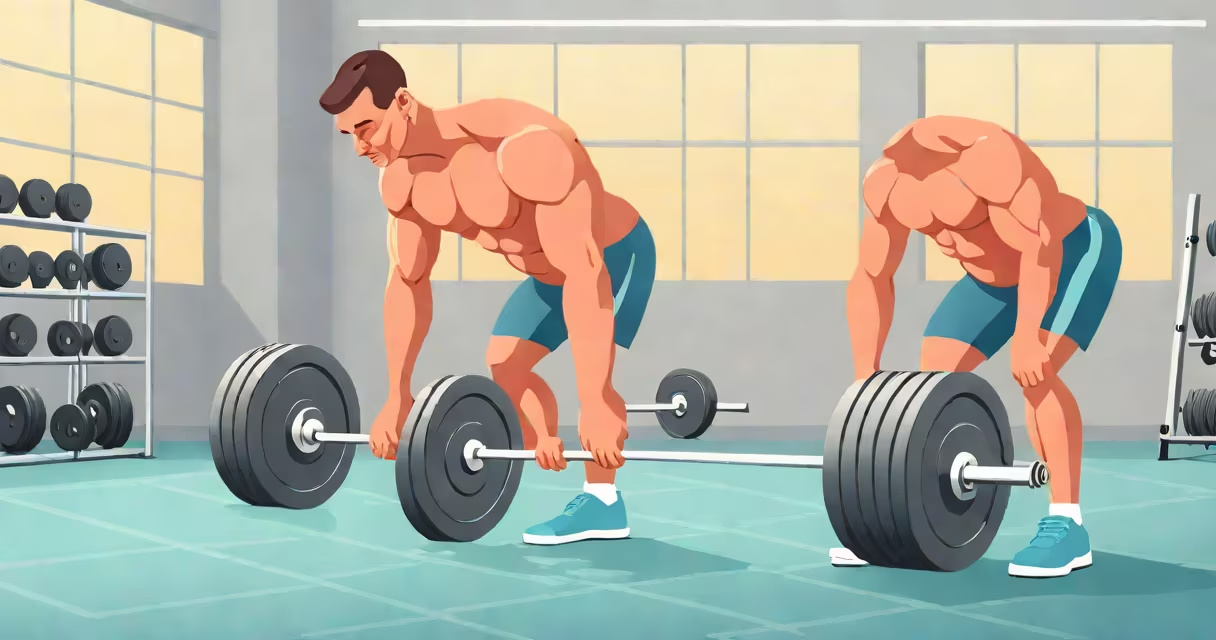
Fat loss and muscle gain happen simultaneously through targeted workouts and controlled calorie intake. The key is maintaining a moderate caloric deficit (about 200-300 calories below maintenance) while eating sufficient protein (0.7-1 gram per pound of body weight). Strength training focuses on progressive overload using compound movements like squats, deadlifts, and bench presses.
Body recomposition relies on three pillars: nutrition, exercise, and recovery. A caloric deficit forces the body to use stored fat for energy, while high-protein intake preserves and builds muscle. Strength training signals muscles to grow, and adequate rest allows repairs and growth.
For example, a 180-pound person aiming to lose belly fat while gaining muscle might consume 2,300 calories daily (a 300-calorie deficit from their 2,600-calorie maintenance level) and eat 130 grams of protein. Their workout routine could include three strength sessions weekly, focusing on compound lifts and progressive overload.
The most effective exercises for losing belly fat while gaining muscle are compound movements that engage multiple muscle groups. These exercises maximize calorie burn during workouts and stimulate muscle growth.
| Exercise Type | Examples | Primary Muscles Worked |
|---|---|---|
| Compound Movements | Squats, Deadlifts, Bench Press, Overhead Press | Legs, Back, Chest, Shoulders |
| Pulling Movements | Pull-Ups, Bent-Over Rows, Lat Pulldowns | Back, Biceps |
| Pushing Movements | Push-Ups, Shoulder Press, Dips | Chest, Triceps, Shoulders |
This approach is used by fitness enthusiasts, athletes, and individuals seeking to improve body composition without prolonged cutting or bulking phases. It's particularly effective for those with higher body fat percentages who want visible muscle definition.
Many people mistakenly believe spot reduction-targeting fat loss in specific areas-is possible. However, fat loss occurs uniformly across the body. Focus on fat loss through diet and exercise, not isolating the belly area.
One common misconception is that high-repetition, low-weight exercises are best for fat loss. While these can improve endurance, they don't build muscle as effectively as heavy, low-repetition compound lifts. Another myth is that cardio is unnecessary; combining cardio with strength training enhances fat loss.
When I trained for a physique competition, I followed a body recomposition plan. I ate 1 gram of protein per pound of body weight, lifted weights five days weekly, and did cardio twice weekly. After six months, I lost 12 pounds of fat and gained 5 pounds of muscle, reducing my belly fat while increasing lean mass.
To improve results, track your calorie and protein intake using apps like MyFitnessPal. Monitor progress with measurements, photos, and strength gains rather than scale weight alone. Stay consistent with workouts and recovery, and adjust calorie intake as needed.
For more strategies, explore tips to lose belly fat that complement this approach, such as staying hydrated and getting enough sleep.
Losing belly fat while gaining muscle requires patience and discipline. By maintaining a caloric deficit, eating enough protein, and focusing on progressive overload in strength training, you can achieve both goals simultaneously. Consistency and proper recovery are key to long-term success.