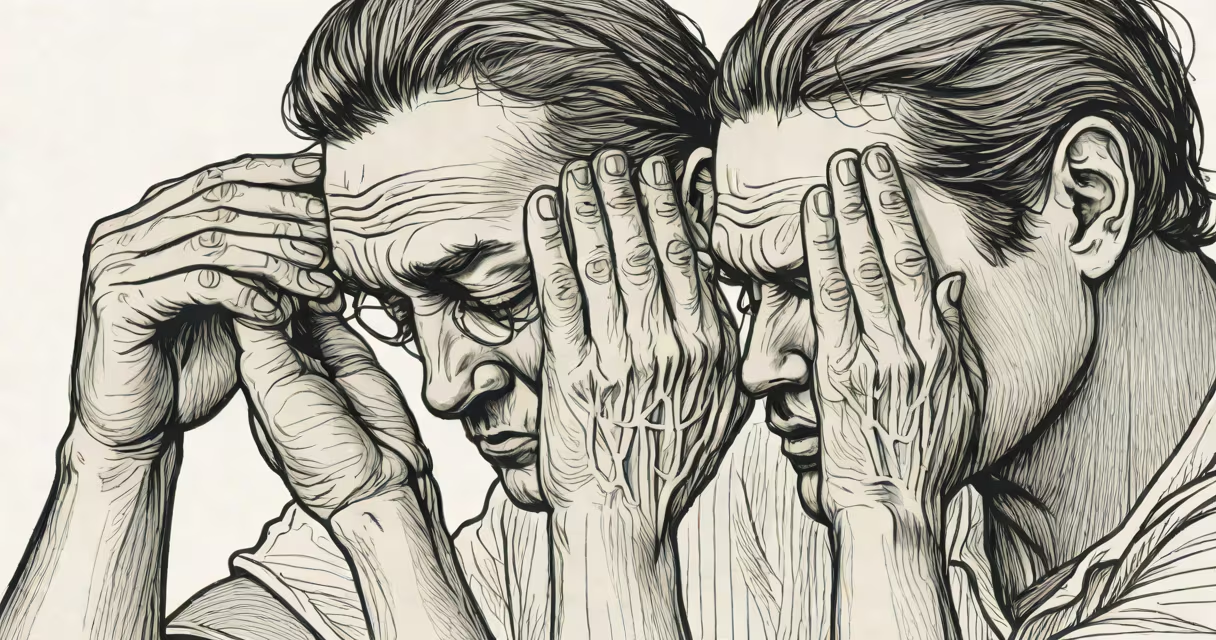
Migraine prevention involves identifying and avoiding triggers, adopting consistent daily routines, and using medications or supplements to reduce attack frequency and severity.
Common migraine triggers include stress, hormonal changes, certain foods, and sensory stimuli like bright lights or loud noises. Keeping a headache diary can help identify personal triggers. The American Migraine Foundation notes that triggers vary widely among individuals, making personalized prevention important.
Establishing regular sleep patterns, staying hydrated, and eating balanced meals can reduce migraine risk. Exercise, such as walking or swimming, may also help. The National Institute of Neurological Disorders and Stroke recommends maintaining a consistent daily routine to minimize fluctuations that can provoke migraines.
| Type | Description | Examples |
|---|---|---|
| Avoidance | Steering clear of known triggers | Skipping aged cheeses, limiting caffeine, using blackout curtains |
| Behavioral | Modifying habits to reduce stress | Practicing relaxation techniques, maintaining a consistent schedule |
| Medical | Using prescribed medications | Beta blockers, anticonvulsants, CGRP inhibitors |
For frequent migraines, preventive medications like propranolol (a beta-blocker) or topiramate (an anticonvulsant) may be prescribed. CGRP inhibitors, a newer class of drugs, specifically target pathways involved in migraine development. The Mayo Clinic emphasizes that these treatments work best when combined with lifestyle changes.
Many believe migraines are simply severe headaches, but they're a neurological disorder with symptoms like nausea, sensitivity to light and sound, and visual disturbances. Another myth is that migraines only affect adults, but they can start in childhood. The International Headache Society reports that migraines often run in families, indicating a genetic component.
I've seen firsthand how tracking triggers can make a difference. A friend who suffered weekly migraines discovered hers were linked to dehydration and skipped meals. Adjusting her habits cut attacks by 70%. While results vary, consistent effort pays off.
If migraines occur more than twice a month or interfere with daily life, consult a healthcare provider. They can rule out other conditions and recommend appropriate prevention strategies. The American Academy of Neurology advises against self-diagnosis, as some symptoms may indicate more serious issues.
Preventing migraines requires a combination of awareness, lifestyle adjustments, and medical support. By understanding personal triggers and working with healthcare providers, many find significant relief.