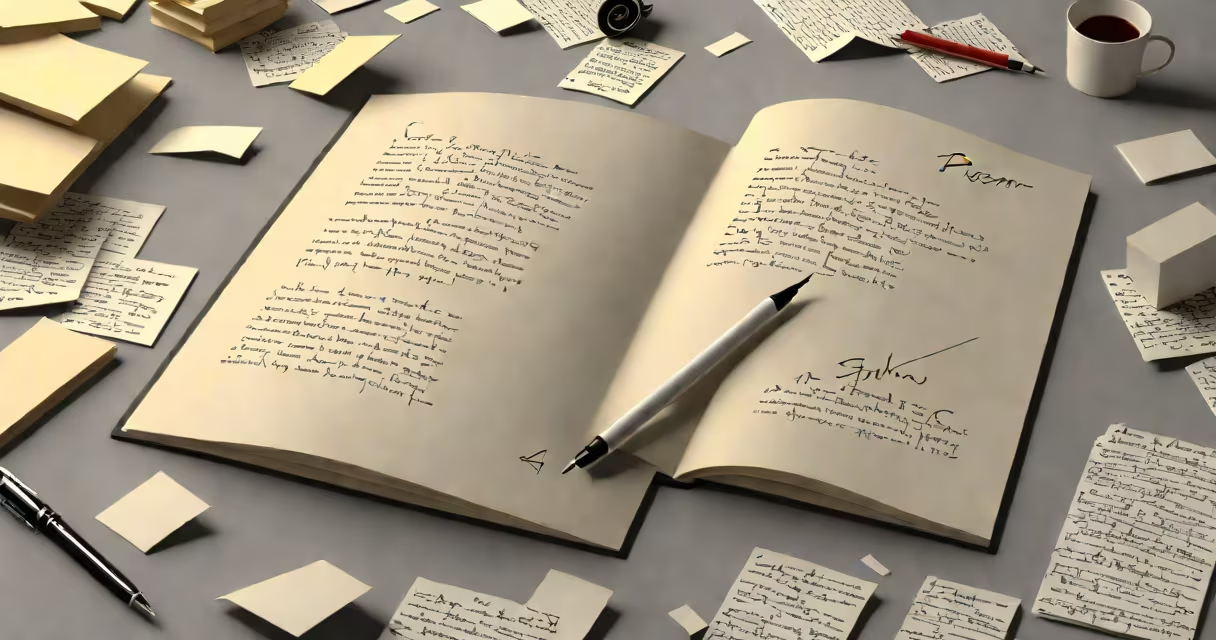
To start a poem, begin with a vivid image, a compelling question, or a striking statement that captures the poem's essence. This initial line sets the tone and draws readers in.
The opening line of a poem is important because it establishes the poem's direction and engages the reader. A strong start can make the difference between a poem that captivates and one that falls flat. For example, Emily Dickinson's poem "Hope is the thing with feathers" begins with a metaphor that immediately intrigues the reader.
There are several effective ways to begin a poem:
Many beginners struggle with how to start a poem. A frequent mistake is beginning with overly generic or clichéd lines. For instance, starting with "I feel sad" is less engaging than "My heart is a storm without rain." Another mistake is overcomplicating the first line with unnecessary details. Keep it concise and impactful.
Some poets also make the error of starting a poem with a dull or uninteresting line, thinking they can build momentum later. However, the first line sets the stage for the entire poem. If it's weak, the reader may lose interest before getting to the good parts.
To practice starting a poem, try this exercise: Take a random object, like a coffee cup, and write five different opening lines about it. For example:
This exercise helps train your brain to see everyday objects in new and poetic ways.
If you're stuck on how to start a poem, step away from your desk and observe the world around you. Nature, conversations, and even mundane tasks can spark inspiration. For instance, watching children play at a park might inspire a line like, "Laughter is the language of the carefree."
Starting a poem is about capturing a moment, an emotion, or an idea in a way that resonates with the reader. Whether you begin with a vivid image, a compelling question, or a striking statement, the key is to make your opening line memorable. With practice and observation, you'll develop your unique voice and style.