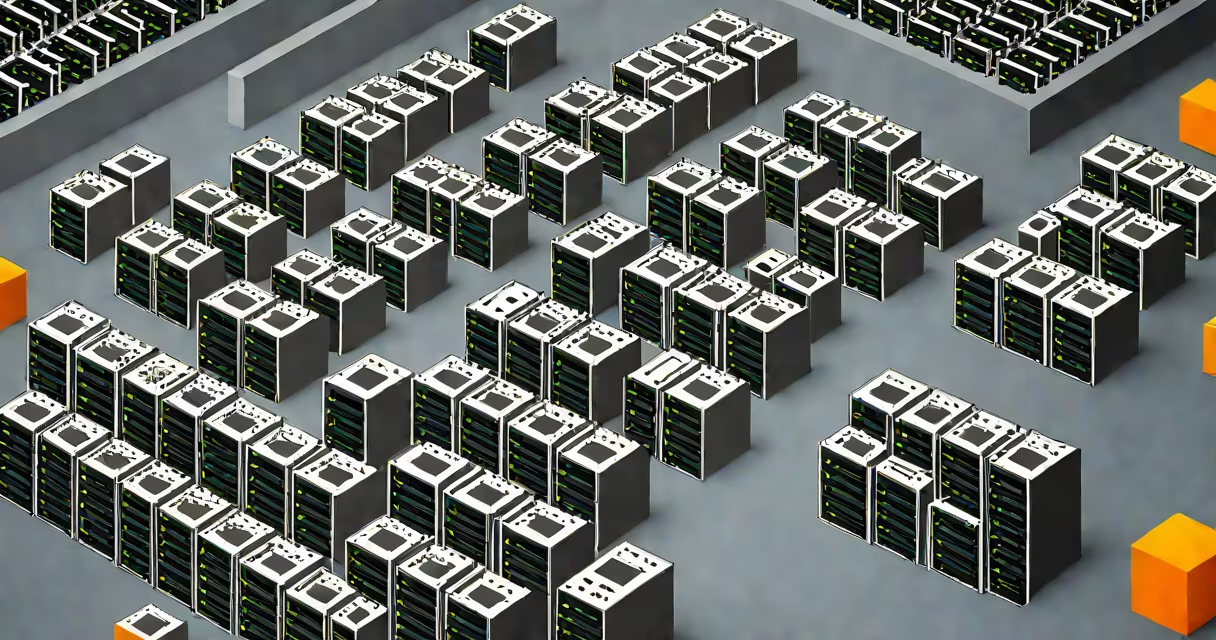
HPC high performance computing uses massive parallel processing power to solve complex problems faster than standard computers. It enables breakthroughs in scientific research, engineering, and business analytics.
The key components of HPC systems include:
| Type | Description | Example Use Case |
|---|---|---|
| Cluster Computers | Multiple interconnected servers working together | Financial risk modeling |
| Supercomputers | Massively parallel systems for extreme-scale computing | Nuclear weapons simulations |
| Cloud HPC | On-demand HPC resources from cloud providers | Genomic sequencing projects |
Research institutions use HPC for scientific discovery, while industries apply it to improve operations. The automotive industry, for instance, relies on HPC to design safer vehicles through virtual crash testing. BMW's M Performance division uses HPC to simulate aerodynamic improvements before building physical prototypes.
Common applications include:
A common misconception is that HPC requires physical proximity to the computing resources. While this was true in the past, modern networking technologies and cloud-based solutions have made remote access practical for many applications.
During the pandemic, HPC systems worldwide were repurposed to model virus spread and accelerate vaccine development. The Summit supercomputer at Oak Ridge National Laboratory identified 77 small-molecule drug compounds that might warrant further study in treating COVID-19.
This work demonstrated how HPC can dramatically reduce the time required for critical research, potentially saving lives during global health crises.