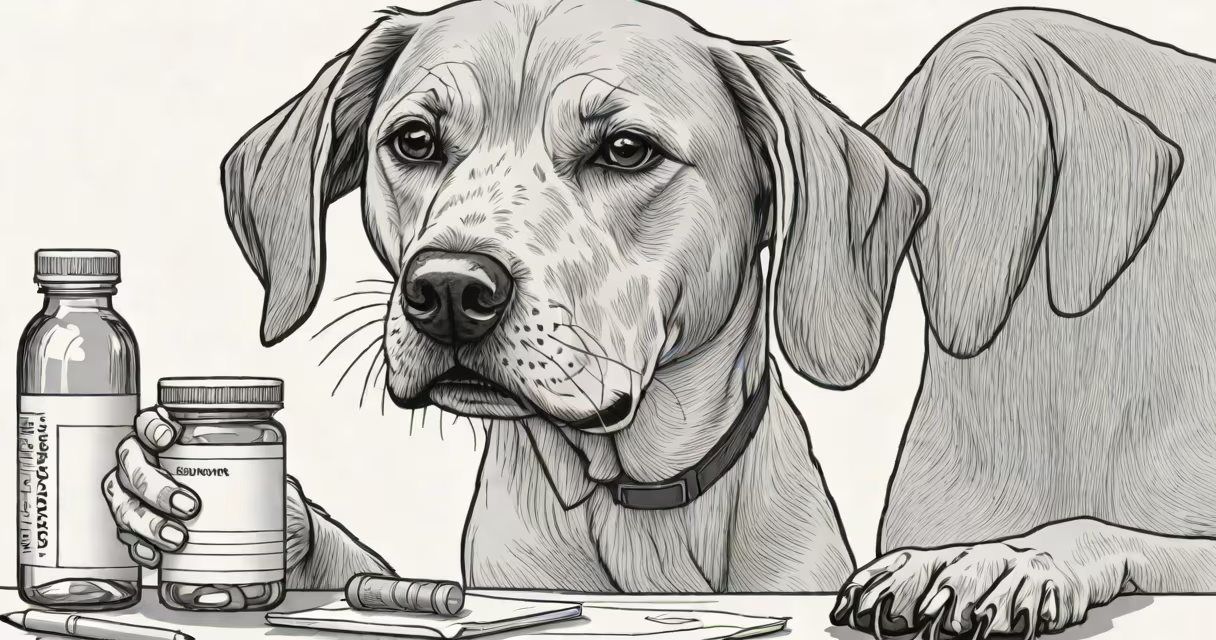
Hydroxyzine is an antihistamine prescribed by veterinarians to treat anxiety in dogs by blocking histamine receptors, which reduces stress responses.
Hydroxyzine primarily functions as an antihistamine but also has sedative properties. It works by blocking histamine receptors in the brain, which helps reduce anxiety symptoms in dogs. Unlike some other sedatives, hydroxyzine doesn't directly affect the central nervous system, making it a safer option for long-term use in managing mild to moderate anxiety.
Hydroxyzine is available in two forms:
The pamoate form is preferred for veterinary use because it's easier to dose accurately.
Veterinarians prescribe hydroxyzine for various anxiety-related issues in dogs, including:
Dosage varies based on the dog's weight, typically ranging from 0.5 mg to 2 mg per pound of body weight, given 1-3 times daily. Always follow your vet's specific instructions.
Many pet owners confuse hydroxyzine with other sedatives like benzodiazepines. Unlike benzodiazepines, hydroxyzine doesn't have the same risk of dependence or withdrawal symptoms, making it a safer long-term solution for managing mild anxiety. However, it's not effective for severe anxiety disorders.
Another common mistake is assuming hydroxyzine can be used off-label without veterinary guidance. Always consult a vet before administering any medication to your dog.
Last summer, my neighbor's dog, Max, struggled with noise anxiety during Fourth of July fireworks. His vet prescribed hydroxyzine pamoate at 1 mg per pound, twice daily, starting a few days before the holiday. Max showed noticeable improvement, staying calmer and less reactive to loud noises. This experience highlighted how effective hydroxyzine can be when used correctly under veterinary supervision.