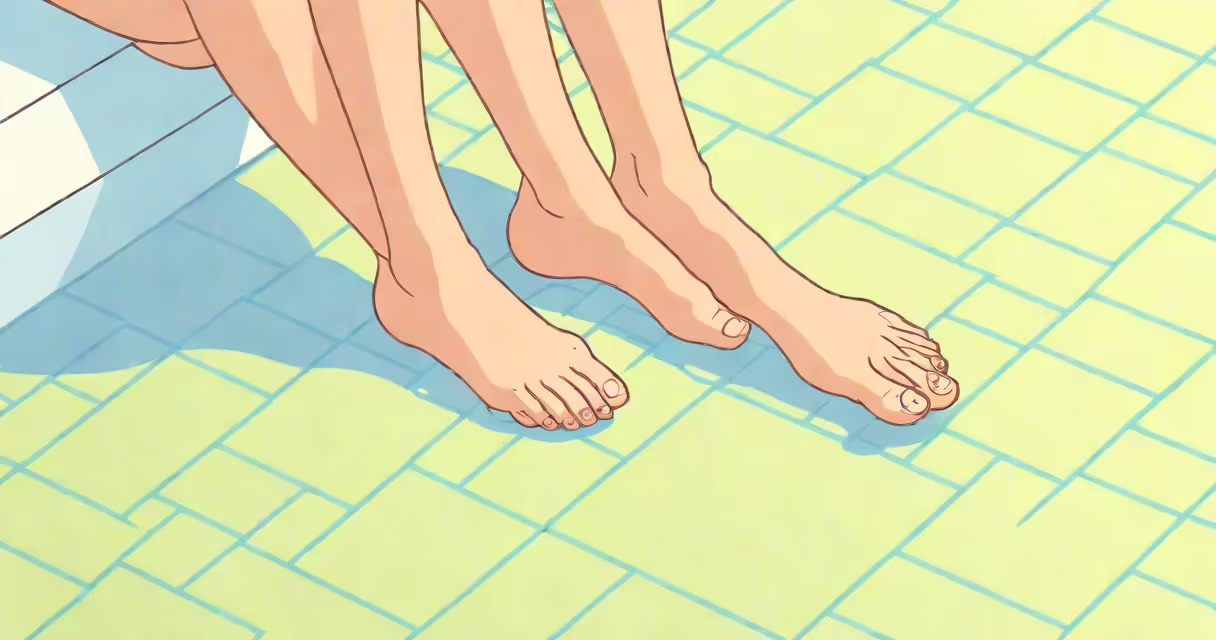
"I can't feel my toes" describes temporary or persistent numbness in the toes, often due to restricted blood flow or nerve compression. This sensation may accompany tingling, coldness, or discoloration. While brief numbness is common after prolonged pressure, recurring or unexplained numbness warrants medical evaluation.
Toe numbness occurs when nerves or blood vessels are compressed, damaged, or inflamed. The toes rely on oxygen-rich blood and nerve signals for sensation. Interruptions in either system can cause numbness. For example, sitting cross-legged for too long can compress nerves, leading to temporary numbness. Chronic conditions like diabetes or peripheral artery disease can cause lasting numbness.
The most common causes fall into three categories:
Consult a doctor if numbness persists beyond a few hours, recurs frequently, or accompanies other symptoms like pain, swelling, or discoloration. Chronic numbness may indicate underlying conditions requiring treatment. A healthcare provider can diagnose the cause through physical exams, blood tests, or imaging studies.
For instance, a patient with Raynaud's disease might experience numbness triggered by cold temperatures. A doctor could prescribe medications to improve circulation or recommend lifestyle changes to manage symptoms.
Many people assume toe numbness is always harmless. However, persistent numbness can signal serious conditions like peripheral artery disease or diabetes. Another misconception is that numbness only affects older adults. Younger individuals, especially those with active lifestyles or certain medical conditions, can also experience it.
I once noticed numbness in my toes after a long hike. Initially, I dismissed it as fatigue, but when the sensation persisted, I consulted a doctor. Tests revealed early signs of peripheral neuropathy, prompting lifestyle adjustments and monitoring.
According to the National Institute of Neurological Disorders and Stroke, peripheral neuropathy affects about 20 million people in the United States. Proper diagnosis and management are important for preventing complications.