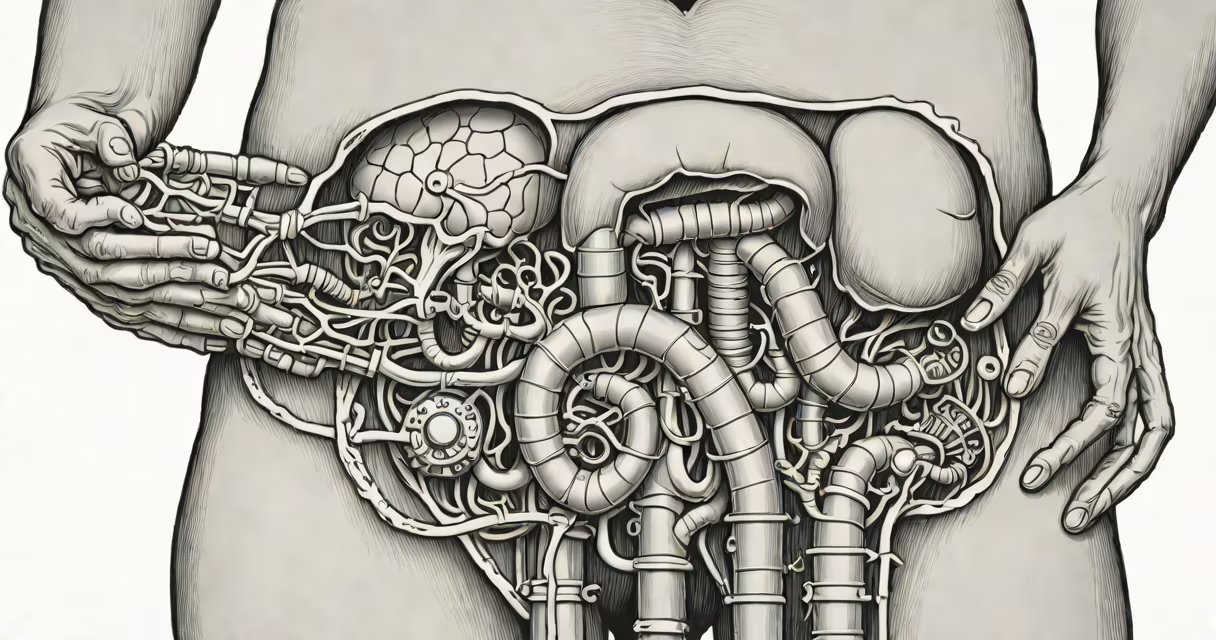
Flatulence is the expulsion of gas from the digestive system, typically through the rectum. While everyone experiences gas, excessive or particularly smelly flatulence may indicate dietary issues or underlying conditions.
Gas forms in your digestive tract when bacteria break down undigested food. This process creates hydrogen, carbon dioxide, and methane. You swallow air while eating, which also contributes to gas. Normally, you pass gas about 14-23 times per day.
The most common causes include:
Certain medications (like antibiotics) can also increase gas production.
Try these evidence-based strategies:
| Method | Effectiveness |
|---|---|
| Eat slower | Reduces swallowed air |
| Avoid carbonated drinks | Prevents gas buildup |
| Limit high-FODMAP foods | Reduces fermentation |
| Take probiotics | Balances gut bacteria |
Over-the-counter medications like Beano or Gas-X can provide temporary relief.
Many people believe that all gas smells bad, but actually, odorless gas exists. The smell comes from sulfur compounds produced by gut bacteria. Another myth is that holding in gas reduces discomfort-it often makes bloating worse.
I once helped a friend manage persistent flatulence by tracking their diet in a food journal. They discovered dairy was the main trigger, and reducing intake improved their symptoms.
While occasional excessive flatulence is normal, persistent issues warrant medical attention. Understanding the causes and solutions can help you manage this common but often embarrassing condition.