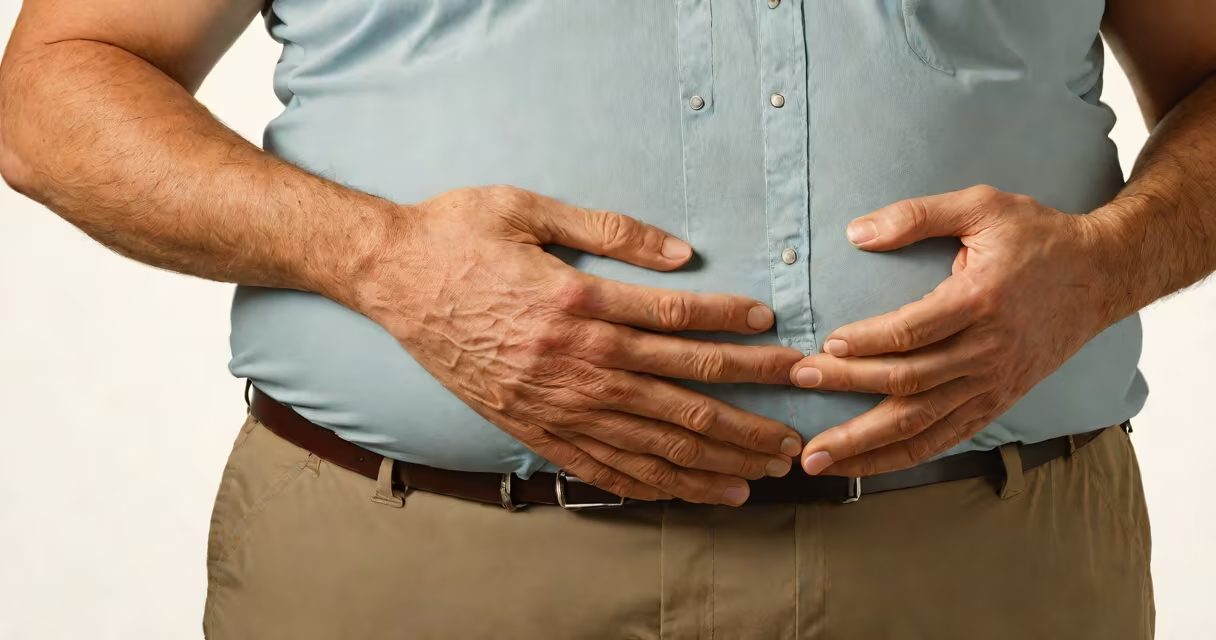
IBS bloating after eating happens when undigested food ferments in the gut, producing gas or triggering intestinal spasms that cause visible abdominal swelling. This common symptom of irritable bowel syndrome (IBS) affects about 70% of patients.
When people with IBS eat high-FODMAP foods (fermentable oligosaccharides, disaccharides, monosaccharides, and polyols), bacteria in the small intestine ferment them, producing gas. The colon may also overreact to normal amounts of gas, causing pain and bloating.
Some IBS patients experience bloating due to visceral hypersensitivity, where the brain perceives normal gut activity as painful. Others have delayed gastric emptying, which makes the stomach feel full longer.
| Type | Cause | Common Triggers |
|---|---|---|
| Gas-related bloating | Food fermentation by gut bacteria | Beans, onions, garlic, carbonated drinks |
| Spasm-related bloating | Intestinal muscle contractions | Stress, caffeine, alcohol |
| Delayed emptying | Slow stomach digestion | Fatty foods, large meals |
Eating smaller, low-FODMAP meals can reduce bloating. A 2017 study in Gastroenterology found that 75% of IBS patients improved symptoms by following a low-FODMAP diet. Probiotics may also help balance gut bacteria.
For bloating accompanied by nausea, peppermint oil capsules can relax intestinal muscles. Over-the-counter medications like simethicone break up gas bubbles.
Consult a healthcare provider if bloating persists for more than three days, causes severe pain, or leads to weight loss. These symptoms could indicate conditions like celiac disease or ovarian cysts.
IBS bloating after eating varies by individual. Tracking food intake and symptoms can help identify personal triggers. Always consult a doctor before making significant dietary changes.