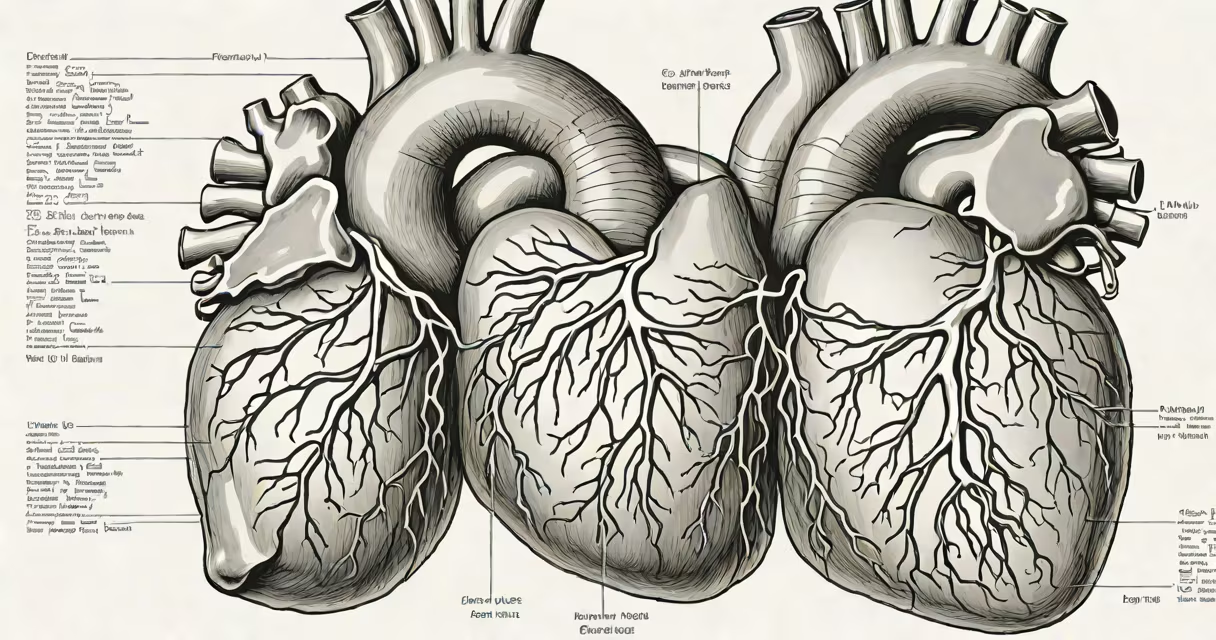
ICD 10 for HFpEF refers to the specific diagnostic codes used to classify heart failure with preserved ejection fraction in medical records. This condition occurs when the heart muscle is stiff, making it difficult to fill with blood between beats, despite maintaining normal pumping function.
Diagnosing HFpEF involves several steps. Doctors first assess symptoms such as shortness of breath, fatigue, and swelling in the legs. They then perform tests including echocardiography to measure the ejection fraction, which determines the percentage of blood pumped out of the heart's chambers with each contraction. An ejection fraction of 50% or higher indicates HFpEF.
The ICD 10 classification system includes specific codes for HFpEF. The primary code is I50.1, which stands for "Heart failure with preserved ejection fraction." Other related codes may be used depending on the underlying cause or complications.
| ICD 10 Code | Description |
|---|---|
I50.1 |
Heart failure with preserved ejection fraction |
I11.0 |
Hypertensive heart disease with heart failure |
I13.0 |
Hypertensive heart and renal disease with heart failure |
Treatment for HFpEF focuses on managing symptoms and addressing the underlying causes. Common treatments include medications such as diuretics to reduce fluid retention, angiotensin-receptor blockers to lower blood pressure, and beta-blockers to improve heart function. Lifestyle changes, including a low-sodium diet and regular exercise, are also recommended.
In severe cases, doctors may recommend devices like pacemakers or implantable cardioverter-defibrillators (ICDs) to regulate heart rhythms. According to the American Heart Association, these devices can improve quality of life for patients with HFpEF.
HFpEF is often confused with heart failure with reduced ejection fraction (HFrEF), where the heart muscle is weakened and cannot pump blood efficiently. Unlike HFrEF, HFpEF involves a stiff heart muscle that cannot relax properly between beats. Understanding the difference is important for accurate diagnosis and treatment.
During my time working with cardiologists, I observed that diagnosing HFpEF can be challenging due to its nonspecific symptoms. Accurate coding and documentation are essential for ensuring patients receive the appropriate treatment and follow-up care.