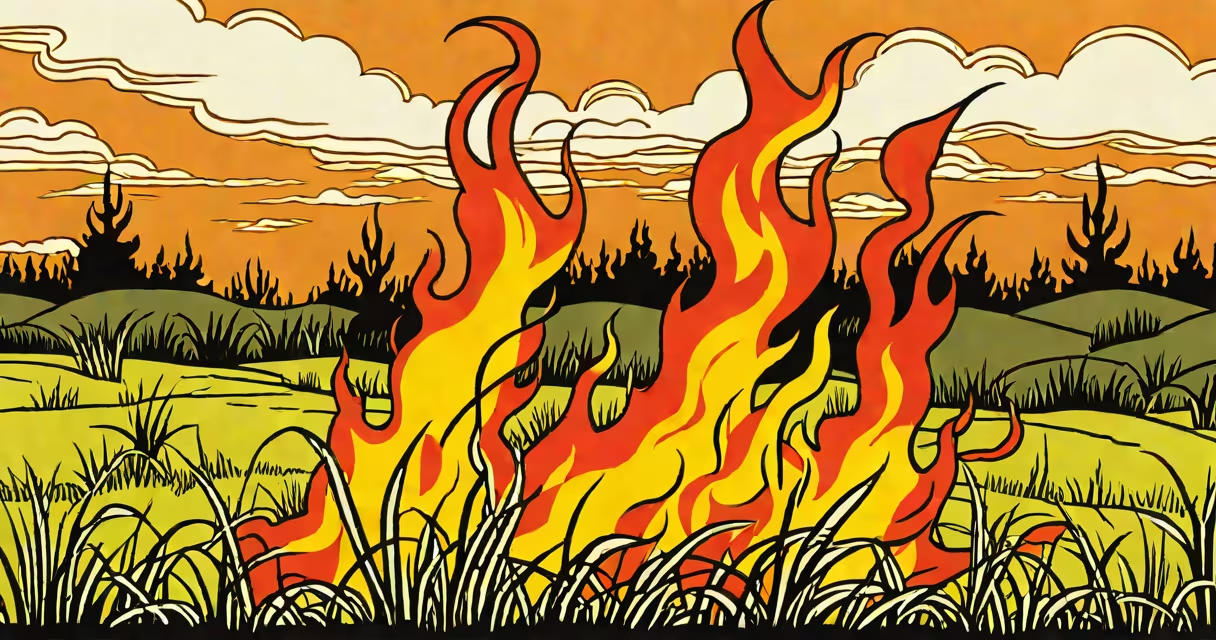
Images of fire visually represent flames, from controlled burns to wildfires, using photography, digital art, or illustrations. These images serve purposes ranging from safety training to artistic expression.
Fire imagery captures the changing nature of flames through various techniques. Photographers often use long exposures to emphasize movement, while digital artists may simulate fire using algorithms that mimic real-world physics. Traditional illustrations rely on brushstrokes to convey heat and motion.
Fire images fall into several categories:
Organizations use fire images in safety training to demonstrate proper procedures. For example, the National Park Service includes photographs of wildfires in educational materials to teach visitors about fire behavior. Artists use fire imagery to explore themes of destruction and renewal, while filmmakers incorporate flame effects to improve drama.
A common misconception is that all fire images are realistic. Some artistic representations exaggerate colors or shapes for dramatic effect, which can mislead viewers about real fire behavior. For accurate safety training, organizations rely on high-resolution photographs or detailed illustrations.
Some fire alarms incorporate images to signal danger. For example, a fire alarm system in a public building might display a picture of flames alongside an audible alert. This visual cue helps ensure that people recognize the warning, even in noisy environments.
I once observed a fire drill in an office where the alarm system projected an image of flames onto screens throughout the building. The combination of sound and visuals ensured everyone evacuated quickly and safely.
Flames appear in images due to combustion, a chemical reaction between fuel and oxygen. Photographers capture this process by adjusting shutter speeds to freeze or blur the movement of flames. Digital artists use mathematical models to simulate how heat and light interact, creating realistic fire effects.
According to the U.S. Forest Service, wildfire photographs often show "crown fires," where flames spread rapidly through tree canopies. These images help researchers study fire behavior and improve prediction models.
Images of fire serve practical and artistic purposes, from enhancing safety training to inspiring creative work. Whether captured through photography or created digitally, these visuals help people understand and respond to the power of flames.