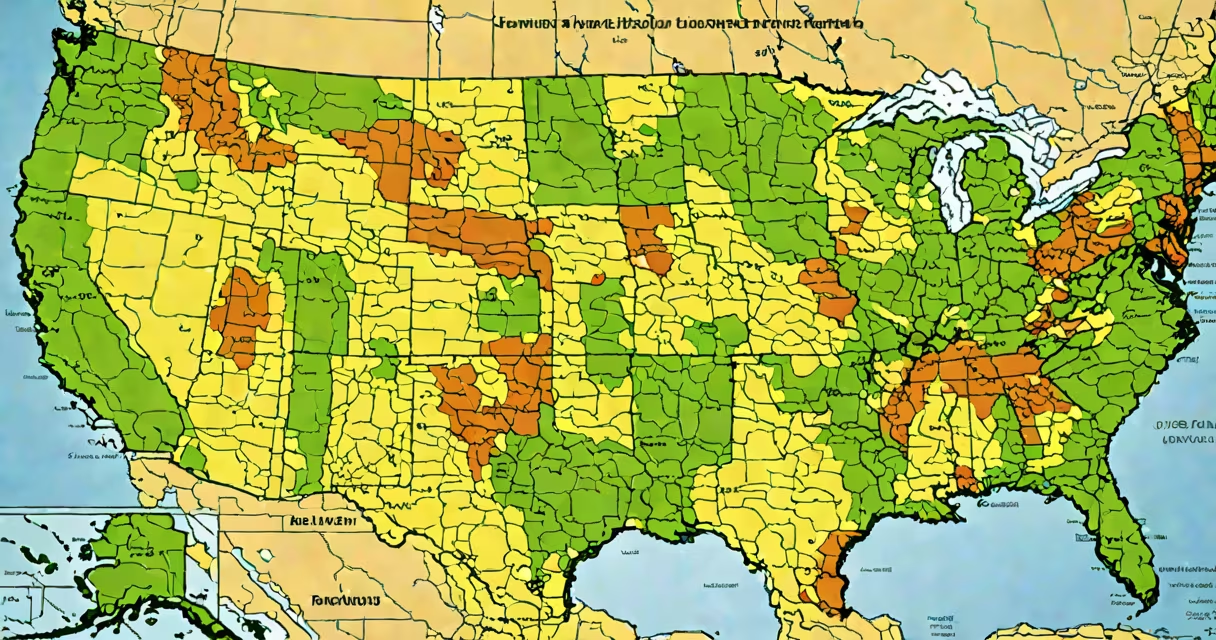
"In the US" refers to locations and contexts specific to the United States, including its 50 states, federal district, and five major territories. The phrase encompasses geographic, political, cultural, and economic aspects unique to America.
The United States covers approximately 3.8 million square miles, making it the third-largest country by land area. It includes:
For example, Hawaii is the only US state made up entirely of islands, while Alaska is both the northernmost and westernmost state.
The US is often divided into regions based on geography, climate, and culture. Common divisions include:
| Region | States Included | Key Characteristics |
|---|---|---|
| Northeast | Maine to Pennsylvania | Colonial history, dense population centers, four distinct seasons |
| South | Delaware to Texas | Warm climate, diverse cultures, significant historical sites |
| Midwest | Ohio to North Dakota | Agricultural heartland, Great Lakes, central plains |
| West | Montana to California | Mountains, deserts, Pacific coastline, national parks |
These regions help organize travel itineraries, business strategies, and cultural studies. For instance, the Midwest is known for its agricultural productivity, while the West offers numerous outdoor recreation opportunities.
"In the US" also refers to American cultural norms, business practices, and legal systems. The US economy is the largest in the world, with major industries including technology, finance, healthcare, and manufacturing.
Culturally, the US is known for its diversity, with influences from Native American, European, African, Asian, and Latin American traditions. Major cultural exports include Hollywood films, music genres like jazz and hip-hop, and global brands.
Many people confuse "in the US" with "in America," but "America" can refer to the entire Western Hemisphere, including North, Central, and South America., some assume all US states share similar climates or cultures, which is not true - Alaska's climate differs greatly from Florida's, for example.
Another misconception is that US territories have the same rights as states. While residents of territories like Puerto Rico are US citizens, they cannot vote in presidential elections and have different tax and legal systems.
Understanding "in the US" is important for businesses expanding into American markets, travelers planning trips, and researchers studying American culture or economy. For example, a European company entering the US market would need to understand regional differences in consumer preferences and business regulations.
When I traveled across the US, I noticed significant differences in local customs, food specialties, and even language dialects between regions. This firsthand experience reinforced the importance of understanding the diverse nature of "in the US."